Ever see “CPR” on a Kahala listing and wonder what it actually means? You are not alone. If you are buying or selling in Kahala or nearby Honolulu neighborhoods, understanding Condominium Property Regimes can save you time, stress, and money. In this guide, you will learn what a CPR is, how it affects ownership, financing, and resale, and the key documents and checks you should complete before you move forward. Let’s dive in.
CPR basics in Hawaii
A CPR, or Condominium Property Regime, is a legal structure that creates individually owned units plus undivided ownership interests in shared areas called common elements. The declaration and recorded plat define unit boundaries, common elements, and each owner’s voting and ownership shares.
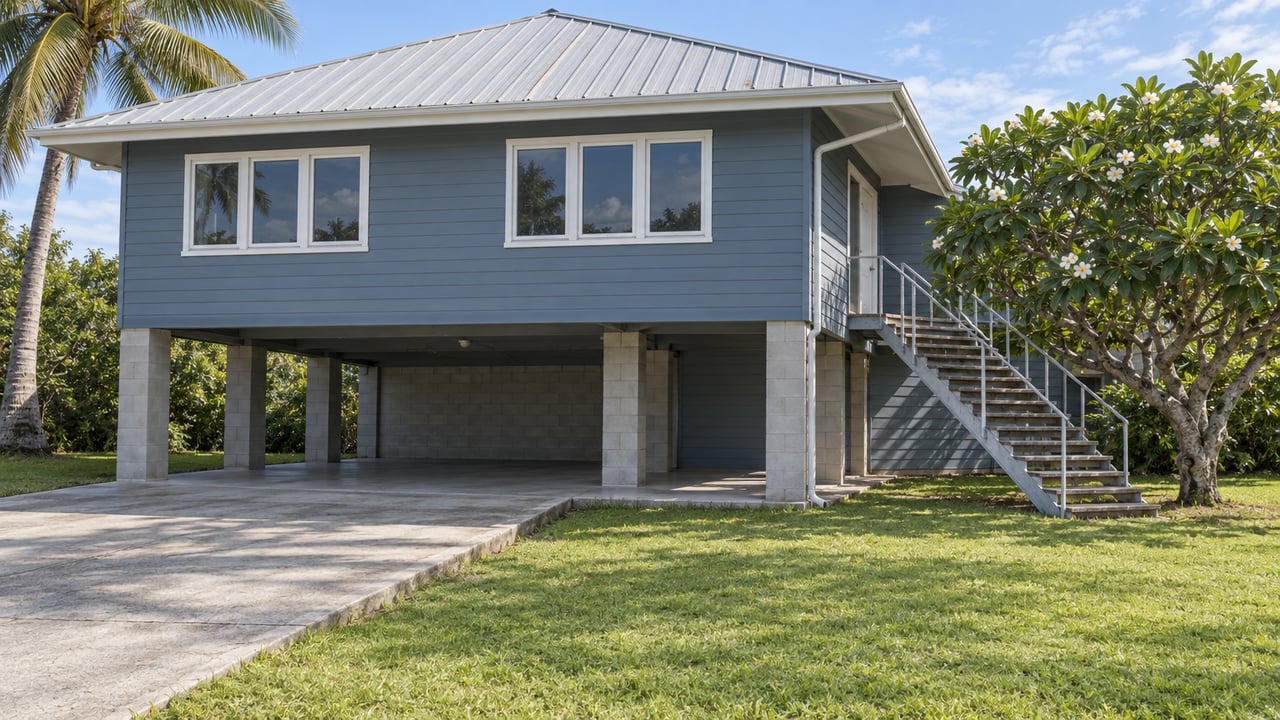
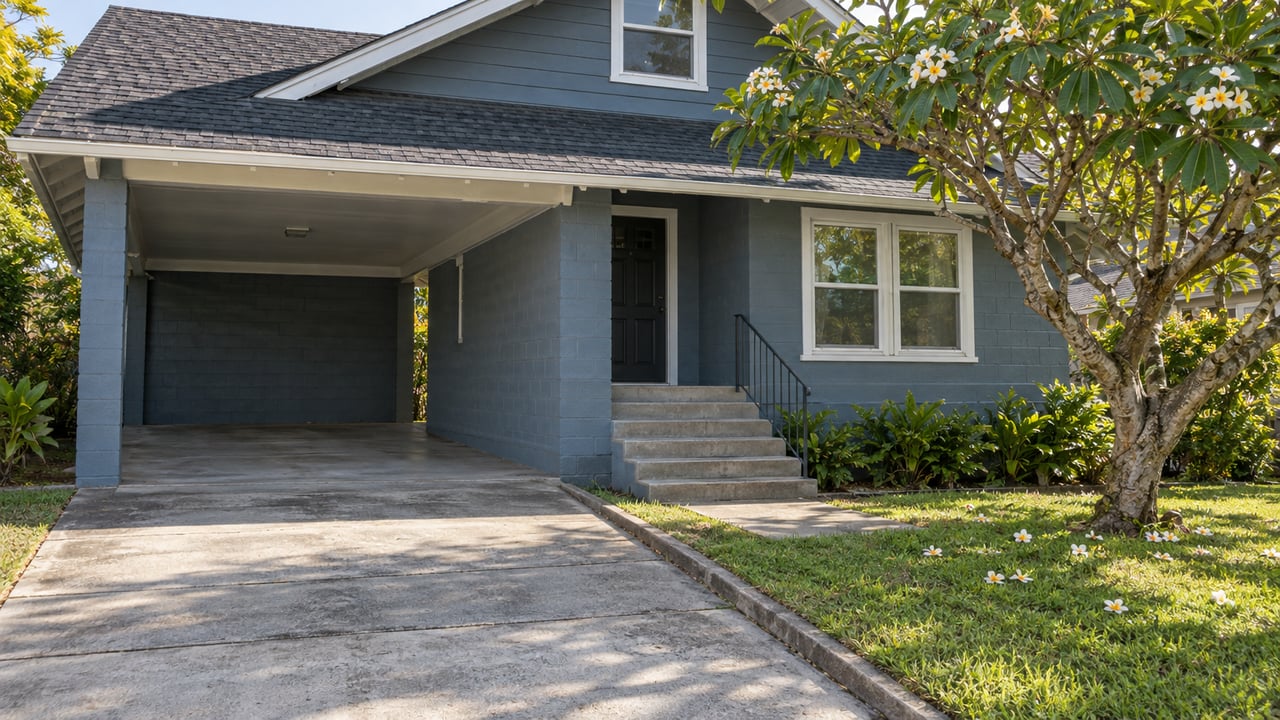
CPRs are not just high-rise condos. They can also cover townhouses and even subdivided lots that share private roads, drainage, or walls. In Kahala, that means a CPR could be a boutique building or an enclave-style property where owners share infrastructure.
In Hawaii, CPRs are governed by state statutes and recorded condominium instruments. On Oahu, documents are recorded in the island’s state recording system, often the Bureau of Conveyances for non–Land Court records. How and where the CPR is recorded affects how title is researched and how documents are retrieved.
How CPR ownership works in Kahala
When you buy into a CPR, you purchase your unit plus an undivided interest in the common elements. The association, run by owners through an elected board or a management company, maintains shared components like roads, landscaping, and exterior structures.
Kahala’s CPRs may be smaller, higher-value communities rather than large towers. Because some properties sit near the shoreline, factors like flood zones, coastal hazards, and drainage can influence insurance and long-term maintenance planning.
CPR ownership affects your financing options, insurance needs, and what exactly you are responsible for maintaining. Understanding these details helps you set a realistic budget and avoid surprises.
Key documents to review
Core CPR documents
- Declaration or CC&Rs and the recorded plat or survey
- Bylaws and house rules
- Current operating budget and recent financial statements
- Most recent reserve study or a summary of reserve funding
- Insurance policy declarations for the master policy
- Resale or estoppel certificate and seller disclosures
- Board meeting minutes for the past 12–24 months
These documents explain what you own, what you can and cannot do, and the financial health of the association.
Association structure and rules
- Unit owners elect a board that manages operations or hires a management company.
- Common elements are shared by all owners. Limited common elements, like assigned parking or patios, are reserved for specific units.
- Regular assessments fund operations. Special assessments may be needed for major repairs or capital projects.
Review rental policies, pet rules, parking assignments, and any leasing minimums. Rules can affect your lifestyle, rentability, and resale.
Insurance and maintenance
- The master policy covers the building or common areas. You typically need an HO-6 policy for interior finishes and personal property.
- Understand maintenance responsibilities. Owners generally handle interior repairs while the association handles exteriors, roofs, and grounds.
- Pay attention to master policy deductibles. Large deductibles after major events can result in substantial owner assessments.
Financing and resale implications
Many loan programs require project-level approval or that a CPR meets specific lender criteria. Lenders often look at owner occupancy, the share of units owned by one entity, reserve funding, insurance coverage, and any litigation. If a CPR does not meet a lender’s guidelines, you may need a different loan product or cash.
Underwriting red flags include low owner occupancy, high delinquency in dues, large or increasing special assessments, very low reserves, or pending litigation. Non-residential uses that exceed lender limits can also be an issue.
On resale, transfer or document fees, rental restrictions, or waiting periods can affect price and buyer demand. New special assessments announced after you go under contract can impact closing if the buyer or lender objects. In coastal areas of Kahala, flood insurance may be required, which can affect carrying costs and financing.
Practical due diligence steps
Buyer checklist
- Resale or estoppel certificate with current fees, assessments, delinquencies, and any litigation
- Declaration or CC&Rs and the recorded plat
- Bylaws, house rules, and parking or storage assignments
- Current budget and the last 2–3 years of financials
- Reserve study or a reserve balance summary
- Master insurance declarations and owner responsibility summary
- Board meeting minutes for 12–24 months and any special meetings
- List of completed and planned capital projects for the next 3–5 years
- Management contract, if any
- Certificate of occupancy or permits, if relevant, and any code violations
- Litigation disclosures or settlement documents
- Assessment history and history of dues increases
Where to verify information
- State of Hawaii recording systems for the declaration, plats, and amendments
- City and County of Honolulu Department of Planning and Permitting for zoning, permits, and building code matters
- Honolulu Real Property Assessment Division for tax parcel data and tax status
- FEMA or county flood maps for flood zones and elevation
- Hawaii Department of Commerce and Consumer Affairs and the Hawaii Real Estate Commission for consumer guidance and disclosures
Smart questions to ask
- Are there pending or threatened lawsuits involving the association?
- What is the current delinquency rate for assessments?
- When was the last reserve study completed and how funded are reserves?
- Are any special assessments or major projects planned in the next 12–36 months?
- What are the rental, pet, and short-term rental rules?
- What does the master policy cover, and what deductibles apply?
- Are there any known structural or maintenance issues?
Seller pre-listing checklist
- Order the resale or estoppel certificate early to avoid closing delays
- Provide a full and organized condo document package to buyers and lenders
- Disclose known assessments, litigation, or rules that could affect value
- Confirm FHA, VA, or investor approval status and gather proof for lenders
- Advise buyers about HO-6 insurance and how parking and utilities are allocated
Kahala-specific watchouts
Kahala is a high-value, mostly residential neighborhood where CPRs can vary from intimate condo buildings to small, shared-lot communities. Near the shoreline, flood zones and coastal hazards can influence insurance availability and cost. Drainage and maintenance of private roads or shared infrastructure may be part of an owner’s ongoing obligations in some CPRs.
Because prices can exceed standard loan limits, jumbo financing may be common. Lenders will still evaluate project health, reserves, insurance, and occupancy. Early communication with an experienced local lender can help you navigate project approvals and timelines.
When a CPR fits your goals
A CPR can work well if you want shared maintenance, defined community rules, or a location that would be difficult to access as a fee-simple single-family home. For investors, CPR rules around leasing and short-term rentals matter, so confirm policies early. For lifestyle buyers, association stability, reserves, and insurance terms can make your ownership more predictable.
If you value neighborhood convenience and shared amenities, a healthy CPR in Kahala can be a strong match. The key is clear due diligence and early coordination among your agent, lender, and title team.
Next steps
If you are comparing CPR and fee-simple options in Kahala, start with the documents and questions above. Then talk with a local lender about project approvals and insurance. When you want a clear path from first showing to closing, connect with a team that understands Kahala’s CPRs, coastal risk, and financing realities.
Have questions or want help reviewing a CPR package? Reach out to Ashliey Wasson for island-focused guidance backed by proven production and local expertise.
FAQs
What is a CPR in Hawaii real estate?
- A CPR, or Condominium Property Regime, creates individually owned units plus undivided interests in common elements, governed by recorded declarations, plats, and bylaws.
How is a CPR different from a fee-simple single-family home?
- In a CPR you own a unit and share common elements managed by an association, while fee-simple single-family ownership typically includes sole responsibility for the land and structures.
Can I use FHA or VA financing on a Kahala CPR unit?
- It depends on the project’s characteristics and approval status; lenders review occupancy, reserves, insurance, and litigation before approving FHA, VA, or conventional loans.
Which documents should I review before buying into a CPR?
- Request the declaration and plat, bylaws, house rules, financials, reserve study, insurance declarations, meeting minutes, resale certificate, and any litigation disclosures.
How do coastal risks affect CPR ownership in Kahala?
- Properties near the shoreline may face flood zone and coastal hazard considerations, which can influence insurance requirements, deductibles, and long-term maintenance planning.