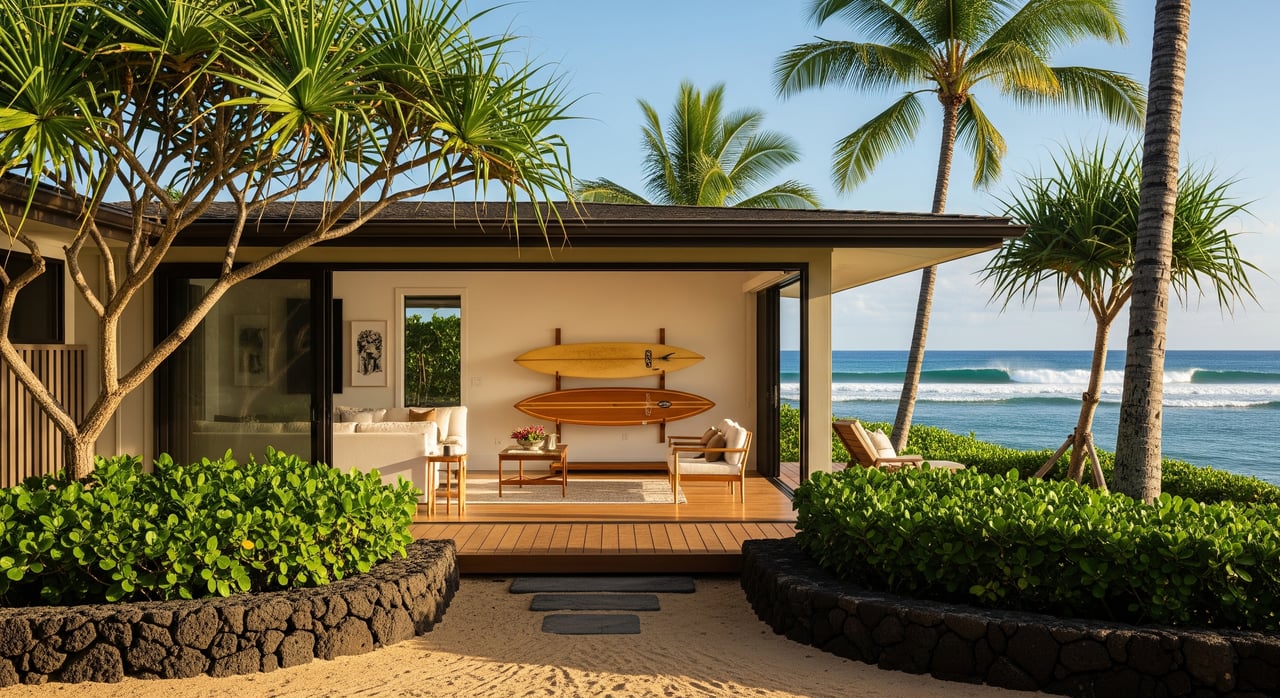
If your perfect day starts with dawn patrol and ends with sandy feet, you are probably hunting for a home that keeps you close to the waves in Haleiwa. The North Shore delivers world-class surf, but day-to-day life varies a lot from street to street. You want easy ocean access without constant parking stress, a reasonable commute, and the right setup for boards and gear. In this guide, you will map the micro-neighborhoods near Haleiwa’s breaks and learn the trade-offs that shape daily life so you can pick a spot that actually fits your routine. Let’s dive in.
North Shore surf season at a glance
Winter brings the famous northwest swells, typically November through February. Expect powerful reef breaks, big-wave events, and heavier traffic and parking on weekends and contest days. Energy on the North Shore is high and the beaches are busy.
Summer is calmer, with smaller swells and more beginner-friendly conditions at many spots. You will see more locals and fewer crowds overall, which can make daily life and parking easier.
Shoulder months are variable. For day-to-day planning, check a surf forecast service like Surfline and local shops for current conditions and timing.
Neighborhoods near the waves
Haleiwa Town core
- Closest breaks: Haleiwa Beach Park, small nearby reef peaks, and harbor-adjacent waves. Many spots are walkable if you live near the harbor or town-side streets.
- Character: Historic commercial heart with restaurants, surf shops, galleries, and small groceries. Homes tend to be older or on smaller lots, with some mixed-use properties.
- Trade-offs: You get the best walk-to-surf and walk-to-amenities combo. On peak weekends, parking is tight and pedestrian traffic is constant. If you need a large modern lot, options are more limited here.
Haleiwa Harbor and Aliʻi Beach Park corridor
- Closest breaks: Harbor-adjacent reefs and beach park peaks. You also have quick access for paddleboarding and small craft.
- Character: Maritime feel with public beach facilities and family-friendly ocean access.
- Trade-offs: Immediate ocean access and public amenities often command a premium. Lots fill up fast during peak season and sunny weekends, so private parking at home is a big plus.
Puaena Point and west-side strips toward Waialua
- Closest breaks: Mellow beach and reef breaks that often favor longboards and learners when conditions cooperate.
- Character: Primarily residential with a mix of modest homes and some larger lots in pockets.
- Trade-offs: You trade lower tourist density for fewer shops within walking distance. It is a short drive to Haleiwa for groceries and dining. Parking at nearby breaks is usually manageable, but weekends still get busy.
Pupukea and Ehukai near Pipeline
- Closest breaks: Pipeline, Ehukai, Velzyland, and surrounding reef spots. Nearby Shark’s Cove and Three Tables shine for snorkeling during calmer seasons.
- Character: Surf-famous and more exposed to winter swells. Mix of single-family homes and vacation-use properties.
- Trade-offs: You are next to marquee waves in winter, which is ideal for experienced surfers. It gets crowded and noisy during big-surf days. Some oceanfront or near-shore parcels sit in narrow coastal strips with higher erosion and parking pressure risk.
Sunset Beach and the Pupukea–Sunset corridor
- Closest breaks: Sunset Beach and Rocky Point, two premium winter breaks.
- Character: Surf heritage, some larger beachfront parcels, and a high-profile coastline.
- Trade-offs: Proximity to iconic breaks brings heavy visitation and event traffic in winter. Beachfront parcels face stricter coastal rules and erosion concerns.
Waimea Bay and the northeast corridor
- Closest breaks: Waimea Bay, famous for big days, plus small bay days for families when the ocean is calm.
- Character: A destination for visitors and locals alike, especially when conditions line up.
- Trade-offs: When the surf fires or it is a classic beach day, crowds spike and parking is tight. You will drive to Haleiwa or further inland for full groceries and services.
Walking versus driving to surf
- True walk-to-break convenience is most realistic in the Haleiwa town and harbor area. Outside of that, expect a short drive, often 5 to 20 minutes depending on the spot and traffic.
- Think ahead about storage. Board racks, secure storage, and rinse areas make daily sessions easier. Many homes lack garages built for quivers, and not all streets allow overnight vehicle storage of gear.
- If you plan to drive to surf, confirm neighborhood parking norms and event-day impacts. It can change your daily rhythm in winter.
Everyday life: parking, groceries, commute, and more
- Parking: Public lots at beach parks and in town help, but they fill quickly on winter weekends and holidays. Street parking rules are enforced, and contest days can trigger temporary changes. Verify your home’s driveway or garage capacity.
- Groceries and shopping: Haleiwa has small groceries and specialty markets. Many residents combine local shops with planned trips to larger stores elsewhere on Oahu. Farmer’s markets and produce stands are common, with hours that can vary seasonally.
- Commute and transit: Driving is the norm. Reaching central Honolulu can run 45 to 60 minutes or more during peak periods depending on traffic. Public transit exists but is less frequent than in urban Honolulu. Many North Shore buyers work remotely or accept longer commutes for ocean access.
- Utilities and internet: Water, sewer or septic, and power can vary by parcel. Broadband availability has improved, but speeds differ by micro-location. Always verify service with providers before you commit if you plan to work from home.
- Schools and health care: Local public schools serve the area, and some students travel to other parts of the North Shore or central Oahu depending on zoning. For specialized care or emergencies, most residents go to larger medical centers elsewhere on Oahu. Keep drive times in mind.
- Short-term rentals: Rules are actively enforced across the North Shore. If you are considering rental income, verify allowances with the City and County of Honolulu and consult qualified local counsel before relying on STR income.
Regulations, hazards, and property factors
- Shoreline and land-use rules: Parts of the coastline fall within Special Management Areas and shoreline setback zones. New work and alterations may require permits and public review. See the City and County’s Department of Planning and Permitting for SMA and shoreline permit guidance at the Department of Planning and Permitting.
- Flood, tsunami, and erosion risk: Many ocean-adjacent parcels sit in FEMA flood zones and tsunami evacuation areas. Check the FEMA Flood Map Service Center and review sea-level rise scenarios with NOAA’s Sea Level Rise Viewer when you evaluate a property.
- State shoreline oversight: Hawaii’s Department of Land and Natural Resources offers shoreline and conservation guidelines that affect setbacks and future work. Review the DLNR resources and obtain certified shoreline information for oceanfront parcels.
- Insurance and maintenance: Expect higher costs for wind or hurricane coverage and flood insurance near the coast. Salt exposure means more frequent exterior upkeep. Ask for quotes before you write an offer, and schedule inspections that focus on foundations, seawalls, and drainage.
- Zoning and redevelopment: Older lot patterns can limit what you can build or expand. SMA rules and setbacks further shape options. Confirm zoning, recorded easements, and access paths early in your diligence.
What drives prices near Haleiwa
- Oceanfront and true walk-to-break parcels: Expect the highest premiums for direct beach access, unobstructed views, and private or semi-private pathways.
- Walk to both surf and town: Homes within a short walk to the Harbor or Haleiwa Town typically trade at a strong premium because you get waves and daily conveniences.
- Inland but close: Properties a short drive from breaks often deliver better lot sizes and quieter residential streets at a relative discount compared to beachfront.
- Marquee-break exposure: Pipeline, Sunset, and Waimea proximity is special, especially for experienced surfers. It also comes with heavier winter traffic and higher maintenance and risk considerations.
- Scarcity and rules: Smaller lots, SMA oversight, and shoreline setbacks limit supply. That long-term scarcity is a key reason near-shore homes command premiums.
Smart buyer checklist for surf-first living
- Verify walking and driving times to your favorite breaks at different times of day and in different seasons.
- Confirm public parking at nearby breaks and ask neighbors about event-day patterns and enforcement.
- Check for secure board storage, rinse areas, and practical loading access for boards.
- Pull parcel-level risk data from FEMA flood maps and NOAA sea-level-rise tools.
- Review zoning, SMA status, shoreline certification, recorded easements, and any public access paths.
- Get insurance quotes for wind or hurricane and flood early in the process.
- Order inspections that focus on salt-related corrosion, foundation integrity, drainage, and any seawall elements.
- Verify utilities and broadband speed with providers, especially if you work from home.
- If you are considering rentals, confirm short-term rules and permit pathways with the City and County of Honolulu and qualified local advisors.
- Visit at different times: weekday versus weekend, winter big-surf day versus summer calm, early morning versus midday.
Ready to find your spot?
Choosing the right North Shore micro-location is about aligning your surf routine with daily life. When you balance ocean access with parking, commute, storage, and long-term risk, your home works the way you surf. If you want a local guide to help you weigh trade-offs block by block, connect with Ashliey Wasson for neighborhood-level insight and a smooth path from search to closing.
FAQs
Which Haleiwa neighborhoods are truly walk-to-break?
- The Haleiwa Town and Harbor corridor offers the most realistic walk access to small reef breaks and the beach park, while most other popular spots require a short drive unless you are on specific oceanfront parcels.
How crowded is parking near Haleiwa surf breaks in winter?
- Public lots and street spaces exist but fill quickly on winter weekends and contest days, so homes with private parking or easy walkability reduce day-to-day friction.
What is the typical commute from Haleiwa to Honolulu?
- Driving to central Honolulu is common but time-consuming, often 45 to 60 minutes or more during peak periods depending on traffic and timing.
Are short-term vacation rentals allowed on the North Shore?
- Short-term rental rules are strict and actively enforced; verify your specific property’s allowances with the City and County of Honolulu and consult local counsel before relying on STR income.
Should North Shore buyers worry about sea-level rise and erosion?
- Yes, these factors affect insurability, maintenance, and long-term use; check FEMA flood maps, NOAA sea-level-rise scenarios, and consult coastal specialists when evaluating ocean-adjacent parcels.
How much more do walk-to-surf or beachfront homes cost?
- Premiums vary widely by parcel, view, and access, but you can expect a noticeable uplift for beachfront and short-walk locations compared with inland equivalents; current comps and local context determine exact ranges.