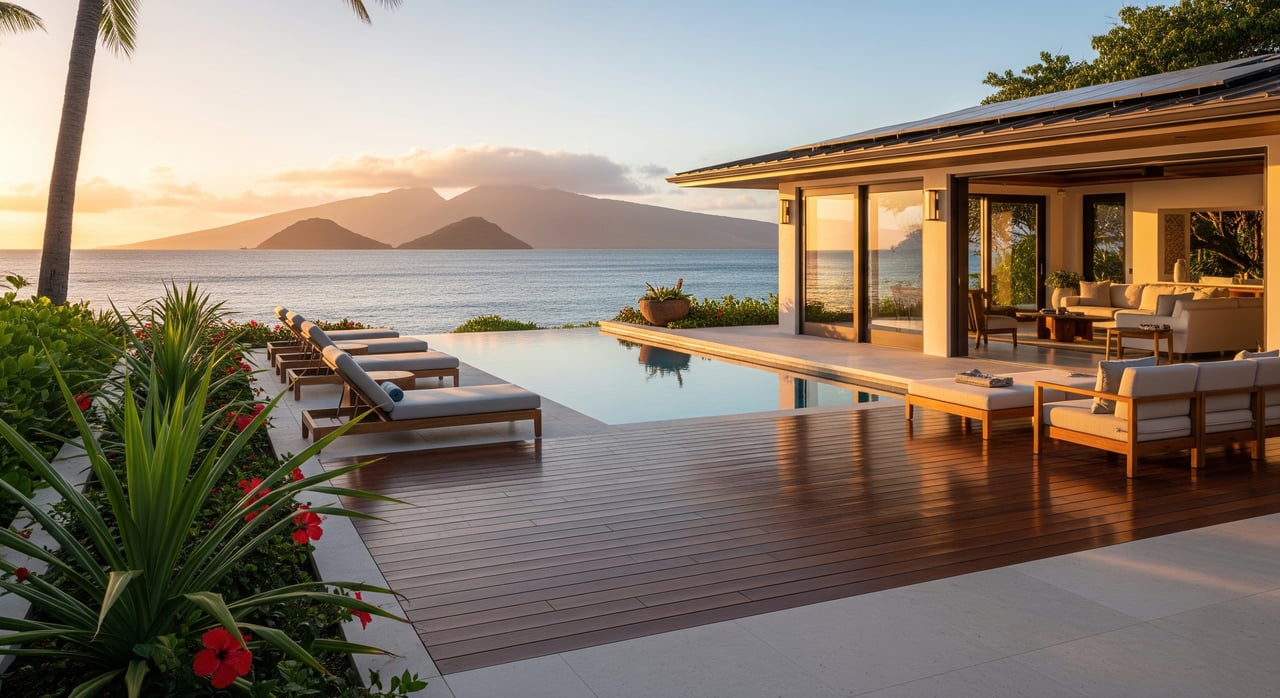
Picture your morning starting with a walk along powder-soft sand, trade winds at your back, and a quick stop for coffee before the day begins. If you are exploring a move to windward Oʻahu, Kailua offers that everyday beach-town rhythm with real convenience close by. In this guide, you will learn what daily life feels like, how neighborhoods differ, what to expect for commutes and costs, and how to enjoy the outdoors safely. Let’s dive in.
Kailua at a glance
Kailua sits on Oʻahu’s windward side in Honolulu County. You get a small-town feel with a vibrant beach culture, plus easy access to parks, trails, and the ocean. The climate is tropical and moderated by steady trade winds. Expect lush greenery and occasional showers that keep the landscape bright and green.
The community blends longtime residents, professionals, retirees, and outdoor enthusiasts. Locally owned shops and a relaxed pace set it apart from urban Honolulu, while popular beaches bring steady visitor interest in certain areas.
Day-to-day living in town
Shopping and dining
The Kailua Road and Kalaheo Avenue corridor anchors daily life. You will find grocery stores, independent boutiques, cafes, casual restaurants, and professional services. Weekly farmers’ markets make it easy to stock up on local produce and prepared foods. For big-box shopping, you can drive to nearby Kāneʻohe or central Oʻahu.
Health and services
A local hospital serves the windward side, and you can access specialized care in Honolulu if needed. Municipal services cover water, trash, and sewer. Internet and cable providers offer coverage in most neighborhoods. Utility costs in Hawaii tend to be higher than many mainland markets, so plan accordingly.
Community feel
You will find a culture of stewardship, from beach access advocacy to wetland preservation efforts around Kawainui. Volunteer groups help maintain trails, beaches, and community spaces. Visitor traffic and short-term rental activity can affect parking and congestion near popular beaches, especially during peak times.
Neighborhoods and home types
Kailua Town core
Close to the commercial center, you will see a mix of condos, townhomes, and single-family homes. Living near the core means short trips to shops, dining, and bus routes. Condos and townhomes can offer a lower maintenance lifestyle compared with a detached home.
Enchanted Lake
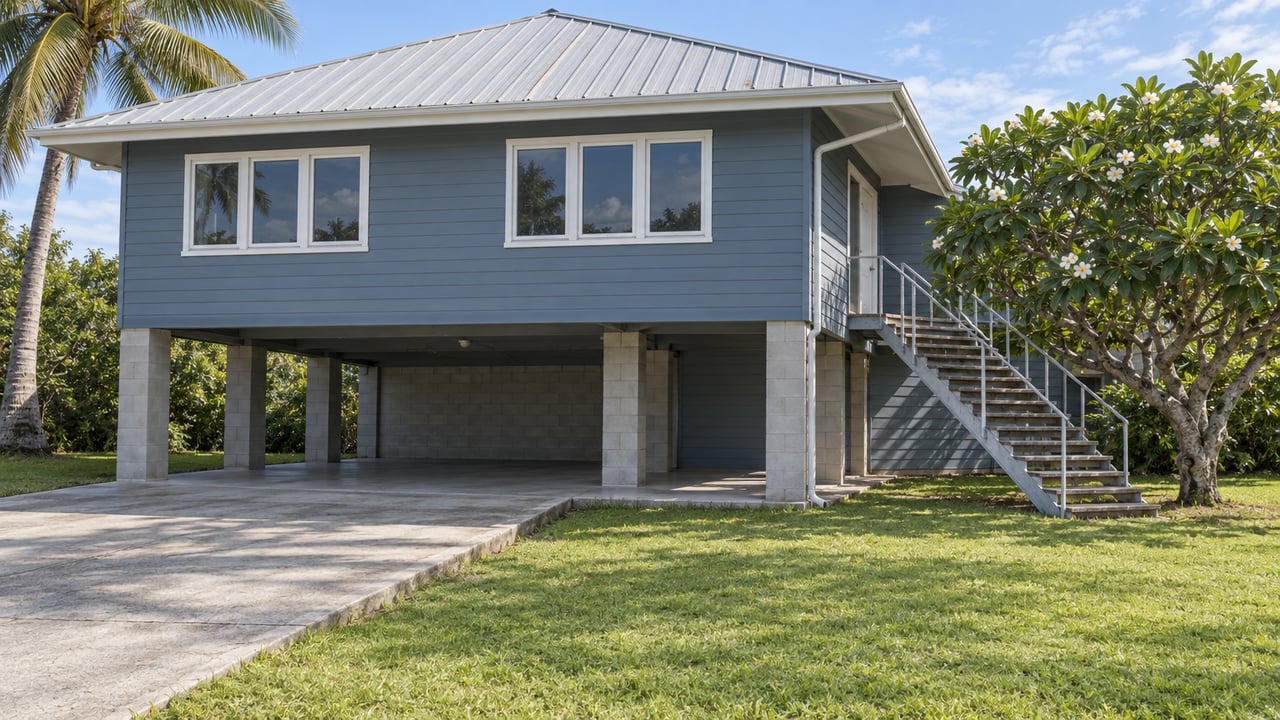
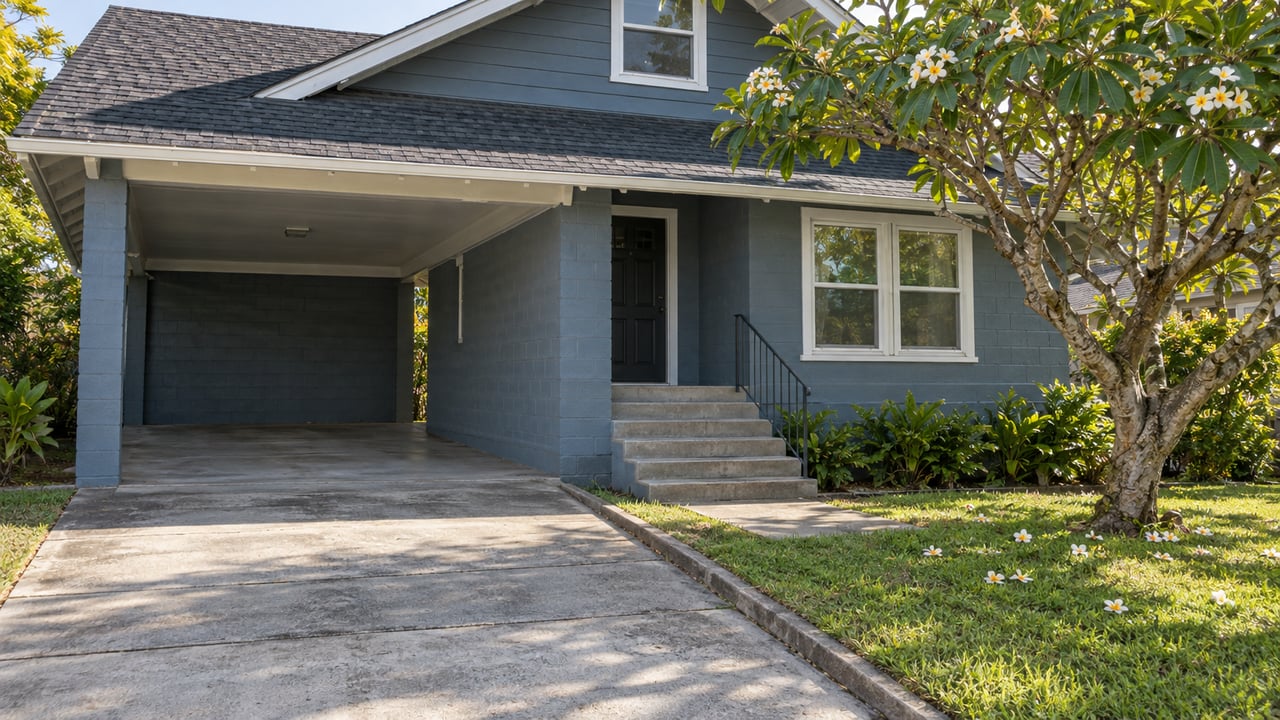
This residential area features single-family homes on suburban-style lots with convenient access to town amenities. Many homes date to the mid-20th century and may include renovations or additions over time.
Lanikai and near-beach living
Lanikai and the beachfront sections of Kailua are among the most sought-after places to live on Oʻahu. Ocean proximity, scenic views, and quick access to the sand come with premium pricing and, in some areas, tighter parking and visitor activity. If you want a near-beach lifestyle, plan for competition and higher price points.
Condos and townhomes
Kailua’s condo and townhome options cluster near the town core. These properties often serve as more accessible entry points, especially if you prefer lower exterior maintenance. Association rules and fees vary, so review them carefully alongside your budget.
Renovation vs. new construction
You will see both tear-down opportunities and extensive remodels throughout Kailua. Many buyers choose to renovate due to lot sizes and zoning limits. If you are considering a build or major remodel, factor in permitting timelines and shoreline considerations for near-coast properties.
Market patterns to expect
Inventory is often tight, and demand stays strong for walkable, near-beach locations. Price ranges vary widely based on housing type and proximity to the ocean. Upgraded or move-in-ready homes tend to command premiums. If you are planning to buy, have pre-approval ready, review comparable sales, and be prepared to act when the right home appears.
Ownership costs and planning
Property taxes
Hawaii’s property tax rates are relatively low as percentages compared with many mainland states. Assessed values in prime locations can be high, which impacts the total bill. Use Honolulu County assessment methods to estimate your annual taxes for a specific property.
Utilities and services
Electricity is provided by Hawaiian Electric, and water service comes from the City and County’s Board of Water Supply. Utility costs in Hawaii are typically higher than in many mainland markets. If energy spending is a priority, look into efficiency upgrades and renewable options offered locally.
Insurance considerations
Plan for homeowners insurance that reflects island and coastal risk. Wind or hurricane endorsements and separate flood coverage may be needed, depending on your property’s location and elevation. It is smart to obtain quotes early in your search so you can plan your total monthly cost.
Zoning and rental rules
Honolulu County zoning guides what you can build, how you can use the property, and where accessory dwellings are allowed. Single-family neighborhoods usually restrict commercial and multi-unit redevelopment without approvals. Near the coast, shoreline setback rules and coastal zone management apply. A certified shoreline survey or setback determination may be required for building or substantial renovations on oceanfront or nearshore parcels.
Short-term vacation rentals are subject to state taxes and county regulations, and rules are actively enforced in many residential neighborhoods. If you are evaluating an investment property, verify current county ordinances and registration requirements before you buy.
Getting around
Commute routes
Kailua connects to Honolulu through mountain corridors. The Pali Highway and Likelike Highway are the main routes, and peak-hour congestion can extend travel times. Give yourself flexibility in your morning and evening routine.
Public transit
The island’s bus system connects Kailua with Honolulu and nearby communities. Frequency varies by route, and there may be express options during peak hours. If you plan to commute by bus, check routes and schedules for your preferred neighborhood.
Airport access
Daniel K. Inouye International Airport is the primary hub for Oʻahu. Travel time from Kailua depends on traffic, so build in extra time for flights and pickups.
Schools and youth programs
Kailua is served by public schools within the Hawaii State Department of Education. Several elementary and intermediate schools feed into local high school options. Private and parochial schools, as well as early childhood centers and youth programs, operate in or near town. Attendance boundaries and available programs can change, so confirm assignments directly with the Hawaii DOE and the individual schools.
Outdoors and recreation
Beaches and water
Kailua Beach Park and Lanikai Beach are signature spots for swimming, kayaking, stand-up paddleboarding, windsurfing, and kitesurfing. Many people paddle to the Mokulua islands on calm days. Conditions can change quickly with trade winds, swell, and currents. Some beaches have lifeguards, while others do not. Always check conditions and use proper safety gear.
Trails with views
Popular hikes include the Lanikai pillbox trail, also known as Kaiwa Ridge, with steep sections and panoramic views. Nearby trails such as Maunawili Falls and the Olomana area range from moderate to strenuous. Use caution on ridgelines, watch for changing weather, and respect signage and access.
Wetlands and wildlife
Kawainui Marsh is an ecologically and culturally important wetland. It is a place to learn about local history, observe birdlife, and support conservation through community programs.
Environmental considerations
As a low-lying coastal area, Kailua faces long-term risks from sea-level rise and periodic coastal erosion. If you are considering an oceanfront or near-shore property, review elevation, setback requirements, and potential erosion impacts. FEMA flood maps identify flood zones that can affect insurance and construction planning. Storm surge and heavy rains can also create localized flooding. Build these factors into your due diligence and insurance planning.
Is Kailua right for you
If you value a beach-forward lifestyle with a relaxed pace and strong access to outdoor recreation, Kailua delivers. You get a walkable town core, quick beach access, and community-minded energy. On the other hand, you will want to budget for higher island utility costs and plan for commute variability. Visitor activity and short-term rental enforcement also influence life near the most popular beaches.
A thoughtful plan can help you enjoy the benefits while managing the trade-offs. Define your must-haves, clarify your budget including insurance, and decide how close to the beach you need to be.
Ready to explore homes or get the details that matter for your move to Kailua? Connect with Ashliey Wasson for island-wide guidance that fits your goals.
FAQs
What is daily life like in Kailua for new residents
- Expect a small-town beach lifestyle with shops, cafes, and essential services in the town core, plus easy access to water sports, trails, and community events.
How competitive is the Kailua housing market for buyers
- Inventory is often tight, and updated homes or near-beach locations see strong demand, so it helps to have pre-approval and move quickly when the right property appears.
What should I know about short-term rentals in Kailua
- Honolulu County enforces rules on short-term vacation rentals and state taxes apply, so verify current ordinances and registration requirements before you invest.
How long is the commute from Kailua to Honolulu
- Most drivers use the Pali or Likelike corridors, where peak-hour traffic can extend travel times; plan extra time and consider flexible or remote work when possible.
Which beaches and hikes are popular and how do I stay safe
- Kailua Beach Park and Lanikai Beach are favorites, with nearby hikes like the Lanikai pillbox; check conditions, use proper gear, and note that lifeguard coverage varies.
What should buyers know about flood and coastal risk in Kailua
- Review FEMA flood zones, consider sea-level rise and erosion near the coast, and obtain appropriate insurance and shoreline setback guidance when applicable.
Are there condos and townhomes in Kailua
- Yes, they are generally found near the town core and can offer lower maintenance living compared with single-family homes, though association rules and fees vary.
What medical services and hospitals serve Kailua
- The windward side is served by a local hospital in Kailua, while specialized or tertiary care is typically accessed in Honolulu.
How do schools work in Kailua and where can I verify assignments
- Public schools are run by the Hawaii DOE with specific boundaries and programs; confirm assignments and offerings directly with the DOE and individual schools.
How walkable and bikeable is Kailua overall
- Many homes near the town core enjoy easier access to shops and beaches, and while sidewalks and bike routes exist, walkability varies by street and neighborhood.