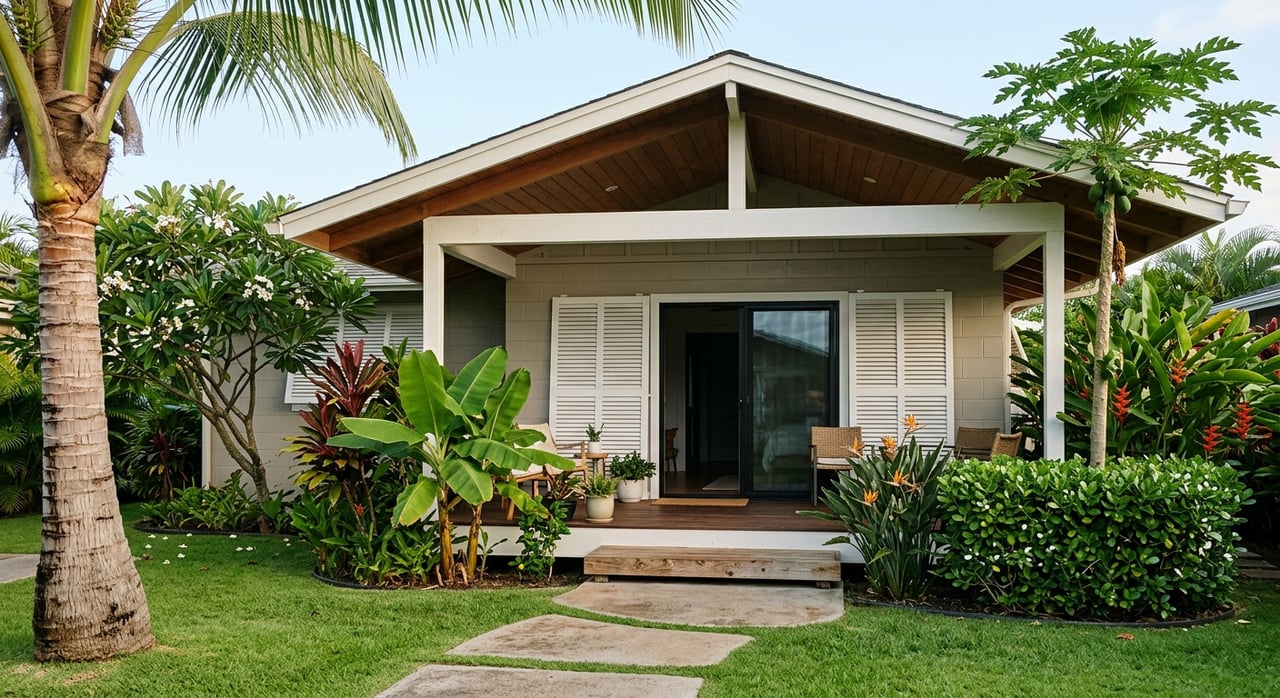
If you are looking for a part of Oʻahu that feels more relaxed, more open, and more connected to the land and shoreline, Waimānalo often stands out right away. Life here is not defined by high-rise density or a fast urban pace. Instead, you get a windward community with beach access, agricultural roots, and a daily rhythm that feels more grounded. If you are wondering what it is really like to live in Waimānalo, this guide will help you understand the setting, housing patterns, lifestyle, and practical details that matter most. Let’s dive in.
Waimānalo at a Glance
Waimānalo is located on Oʻahu’s east windward side and is best understood as a rural, beach-adjacent community rather than a dense suburb. According to U.S. Census data, the Waimānalo CDP has 6,057 residents across 4.36 square miles of land, which helps explain why it feels more spacious than many other parts of the island.
The area also shows signs of long-term stability. Census figures report a 73.6% owner-occupied housing rate, an average household size of 4.12, and 94.5% of residents living in the same home one year earlier. Together, those numbers suggest a community with a strong homeowner base and many long-term residents.
Daily Life in Waimānalo
Living in Waimānalo often means trading convenience at every corner for a calmer and more open environment. The community has nearby schools, shops, healthcare, and recreation, but the overall scale stays modest and local. You are not stepping into a major retail hub. You are stepping into a place where the setting itself shapes the pace of daily life.
Kalanianaʻole Highway is the main coastal road serving the area, and TheBus routes 57/57A, 77, and 89 connect Waimānalo to other parts of Oʻahu. The mean travel time to work is 29 minutes, which reflects a location that feels somewhat removed from urban Honolulu while still remaining connected.
DHHL describes Waimānalo as about a half-hour drive from downtown Honolulu. That balance is a big part of the appeal. You can enjoy a quieter windward setting while still reaching town, Kailua, and other East Oʻahu destinations without feeling completely isolated.
Waimānalo Has a Rural, Coastal Feel
One of the clearest things you notice about Waimānalo is that it does not feel built out in the same way as denser parts of Honolulu County. Official land use helps explain that character. Much of the area is zoned for preservation or agriculture, including P-1 Restricted Preservation, AG-2 General Agriculture, and AG-1 Restricted Agriculture.
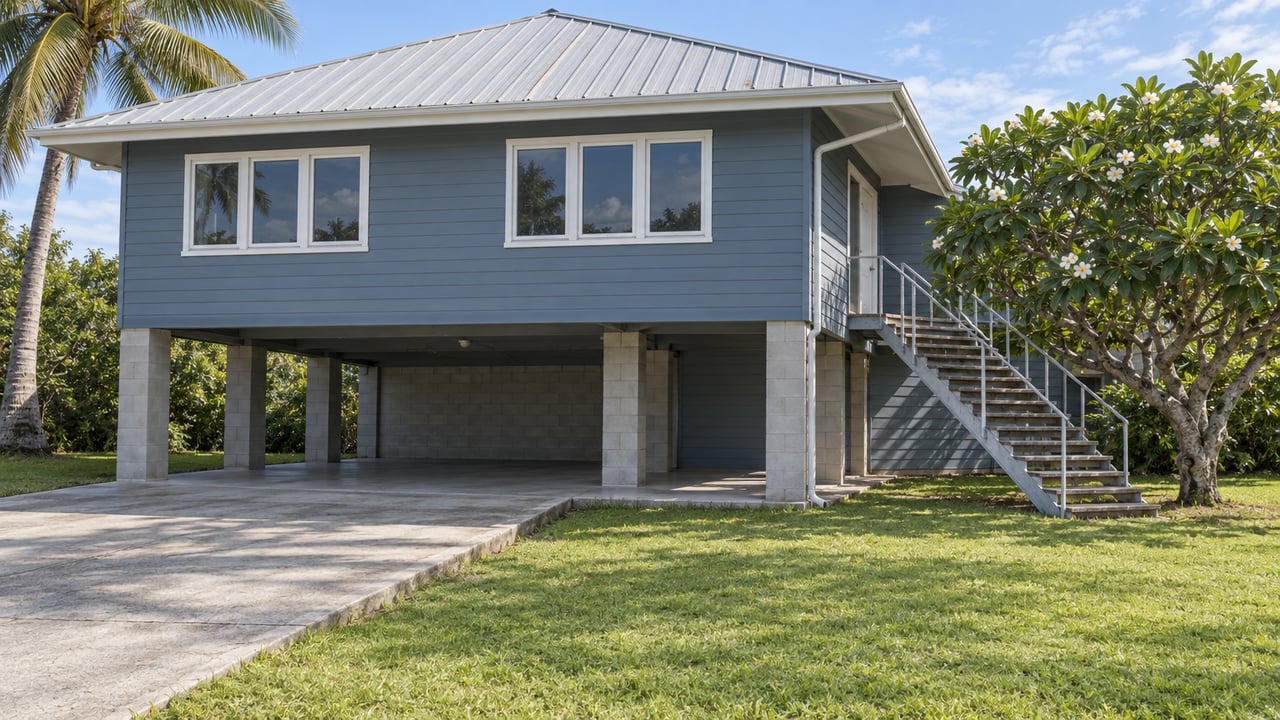
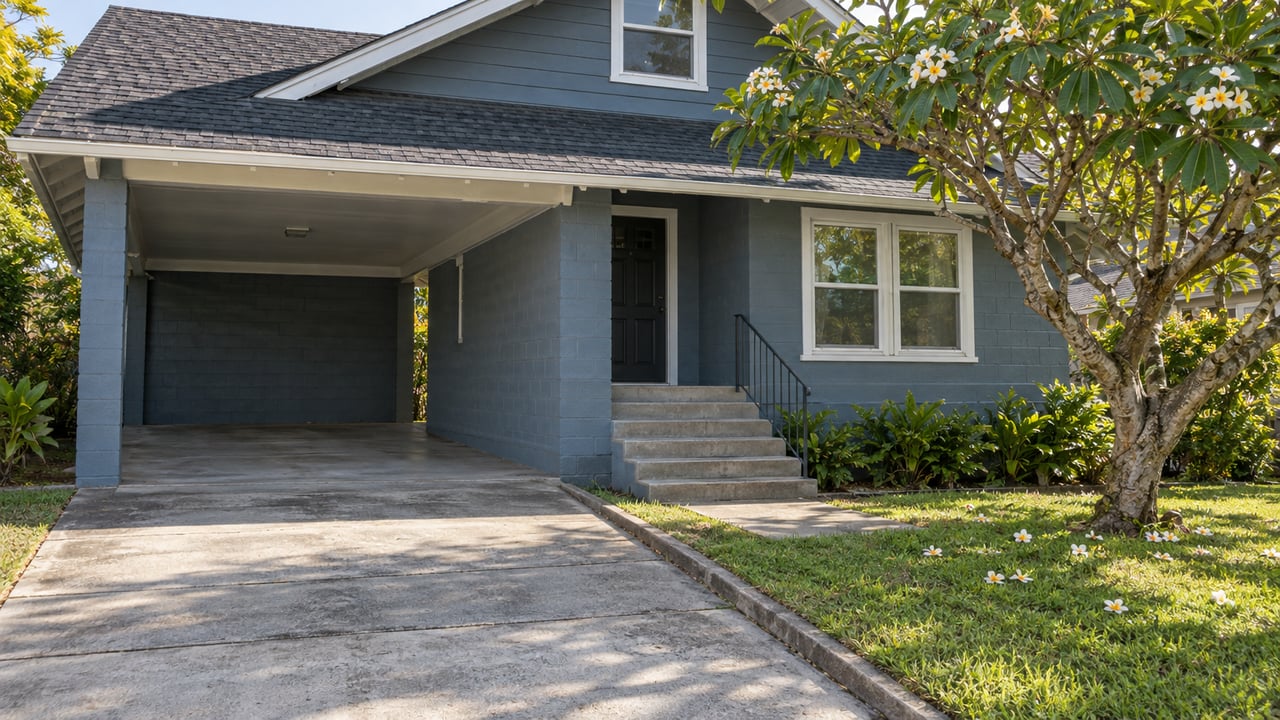
That planning framework supports the area’s open feel. Instead of block after block of apartment buildings, Waimānalo is shaped by detached homes, homestead subdivisions, agricultural land, and farm-adjacent properties. For many buyers, that creates a very different living experience than urban Honolulu.
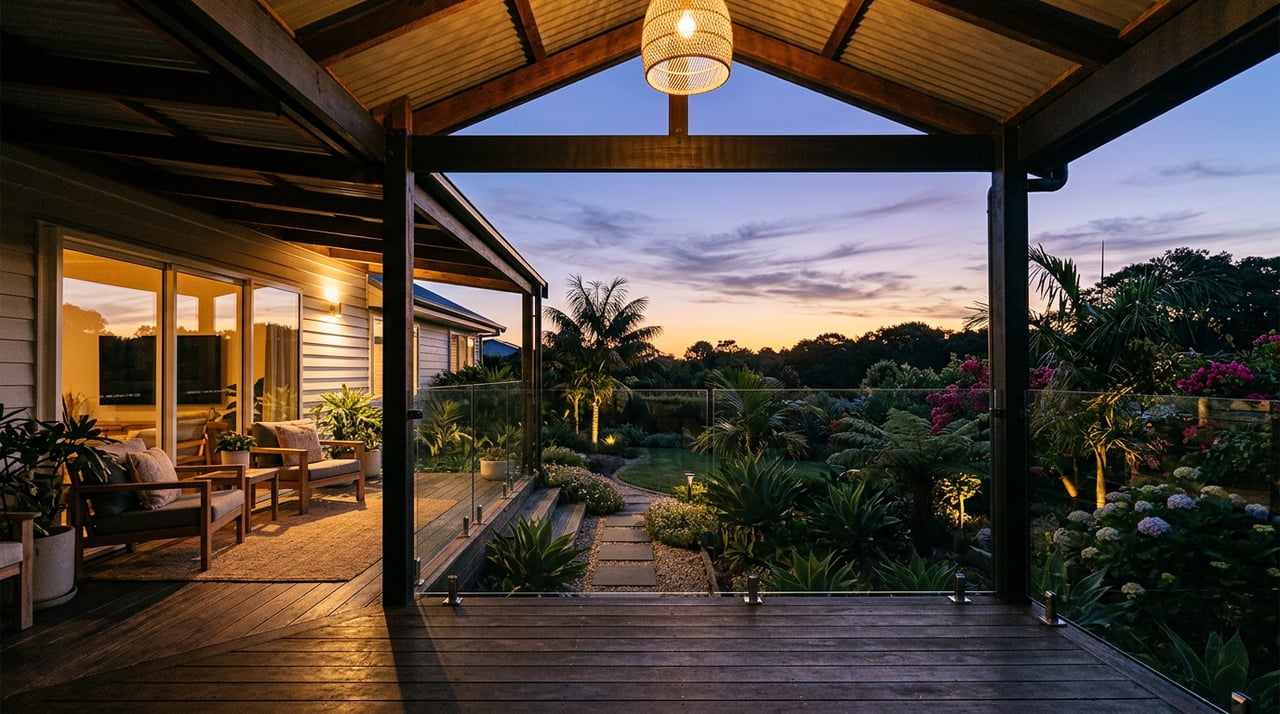
The climate also supports an outdoor lifestyle year-round. DHHL reports average temperatures between 70 and 85 degrees, with annual rainfall around 40 inches. In practical terms, that means you can expect a warm windward environment with lush scenery and regular opportunities to enjoy the outdoors.
Housing in Waimānalo
Housing in Waimānalo is typically associated with single-family homes and larger-feeling residential patterns. Within the Waimānalo Homestead, residential parcels are zoned R-5 and R-10 with a minimum lot size of 5,000 square feet. Some homestead areas on AG-1 land were built with a one-acre minimum lot size, which further supports the area’s spacious feel.
The Waimānalo Homestead is the area’s largest residential subdivision at about 190 acres mauka of Kalanianaʻole Highway. Additional projects like Kakaʻina and Kumuhau added 44 and 45 residential lots respectively. There is also a long history behind these communities, including the Waimānalo Hawaiian Homestead Association, which dates to 1938.
A useful benchmark for buyers is a DHHL fact sheet describing 100 lots averaging about 5,000 square feet in the Undivided Interest project. While every property is different, that gives you a general sense of the parcel scale found in parts of the community.
For pricing context, Census QuickFacts lists a median owner-occupied home value of $799,200. The same source reports median monthly owner costs with a mortgage of $3,638 and median gross rent of $1,764. If you are comparing Waimānalo to other Oʻahu neighborhoods, these figures can help set expectations around ownership and rental costs.
Outdoor Living Is a Major Draw
If beach access is high on your list, Waimānalo has a lot to offer. Waimānalo Beach Park, Kaiona Beach Park, Kaupō Beach Park, Bellows Beach Park, and Makapuʻu Beach Park are all part of the broader living experience here. For many residents, being minutes from shoreline recreation is one of the biggest reasons the area feels special.
This is also a place where scenic outdoor activity is part of normal life, not just something you do on weekends. The Makapuʻu Point Lighthouse Trail is nearby off Kalanianaʻole Highway and offers views of the windward coast, with humpback whale sightings in season. That kind of access adds to Waimānalo’s strong connection to land, ocean, and open space.
Because of the setting, your routine may naturally shift outdoors more often. Morning walks, beach time, scenic drives, and time spent enjoying the coastline can become a regular part of life rather than an occasional outing.
Agriculture Is Part of the Community Identity
Waimānalo’s agricultural character is not just visual. It is an active part of how the area functions. The state’s Waimānalo Agricultural Park spans 126 acres divided into 14 lots, and the broader area includes nursery, orchard, ranching, and small-scale truck farm operations.
DHHL describes Waimānalo as a vibrant area for greens and organic food production, and notes that about 75% to 80% of farms are served by the Waimānalo Irrigation System. That matters because it shows agriculture here is not a leftover land use. It is still part of the local economy and landscape.
You can also see that local business pattern in examples like Nalo Farms, a Waimānalo operation producing greens for the local community since 1983. Instead of a highly commercialized feel, Waimānalo leans toward a modest neighborhood commercial pattern anchored by places like the Waimānalo Shopping Center and other everyday services.
Essential Services and Everyday Convenience
Waimānalo offers core services while keeping its small-community scale. DHHL lists Waimānalo Elementary and Intermediate School, nearby Pope Elementary and Kailua High School, the Waimānalo Health Center, a local ambulance unit, and the Waimānalo Fire Station among the area’s practical resources.
That means day-to-day life is supported, even though the community does not feel heavily built up. For buyers relocating from busier areas of Oʻahu or from the mainland, this can be an appealing middle ground. You get access to essentials without losing the quieter character that makes Waimānalo distinct.
What Buyers Should Keep in Mind
Waimānalo can be a strong fit if you want more space, a coastal setting, and a community shaped by long-term residency and agricultural land. It may be especially appealing if your lifestyle priorities include beach access, a less urban environment, and a neighborhood with a settled feel.
At the same time, your property search should include location-specific due diligence. DHHL’s 2024 draft regional plan notes that shoreline areas including Waimānalo Beach Park, Kaiona Beach Park, and some lots adjacent to Kalanianaʻole Highway are projected to be affected by sea-level-rise exposure. That does not define the entire community, but it is an important factor if you are considering a low-lying coastal parcel.
It also helps to go in with the right expectations about inventory and housing type. Waimānalo is not mainly an apartment-heavy market. Its housing pattern is more closely tied to detached homes, homestead areas, and properties influenced by agricultural and preservation land around them.
Who Waimānalo May Appeal To
Waimānalo may appeal to you if you want Oʻahu living with a more open, windward feel. Buyers who value shoreline access, a quieter pace, and a stronger sense of separation from Honolulu’s urban core often find the area compelling.
It can also be a good community to explore if you are relocating and want a neighborhood that feels established rather than rapidly changing. The combination of long-term residency, homeowner presence, and rural-coastal land use gives Waimānalo a distinct identity that is hard to replicate elsewhere on Oʻahu.
If you are comparing neighborhoods across the island, Waimānalo stands out less for polished density and more for space, scenery, and everyday connection to the outdoors. That difference is exactly why many buyers keep it on their shortlist.
If you are thinking about buying or selling in Waimānalo, working with a team that understands Oʻahu’s neighborhood differences can make your next step much easier. Reach out to Ashliey Wasson for practical guidance tailored to your goals.
FAQs
What is the overall feel of living in Waimānalo?
- Waimānalo generally feels rural, beach-adjacent, and more relaxed than denser parts of Oʻahu, with open land patterns, single-family housing, and a strong connection to the outdoors.
What types of homes are common in Waimānalo?
- Waimānalo is primarily associated with detached single-family homes, homestead subdivisions, and farm-adjacent residential areas rather than apartment-heavy development.
How far is Waimānalo from Honolulu?
- DHHL describes Waimānalo as about a half-hour drive from downtown Honolulu, and Census data show a mean travel time to work of 29 minutes.
What outdoor amenities are near Waimānalo?
- Nearby outdoor destinations include Waimānalo Beach Park, Bellows Beach Park, Kaiona Beach Park, Kaupō Beach Park, Makapuʻu Beach Park, and the Makapuʻu Point Lighthouse Trail.
Is agriculture still part of life in Waimānalo?
- Yes. State and DHHL sources describe Waimānalo as an active agricultural area with nursery, orchard, ranching, and small-scale farming operations, including the 126-acre Waimānalo Agricultural Park.