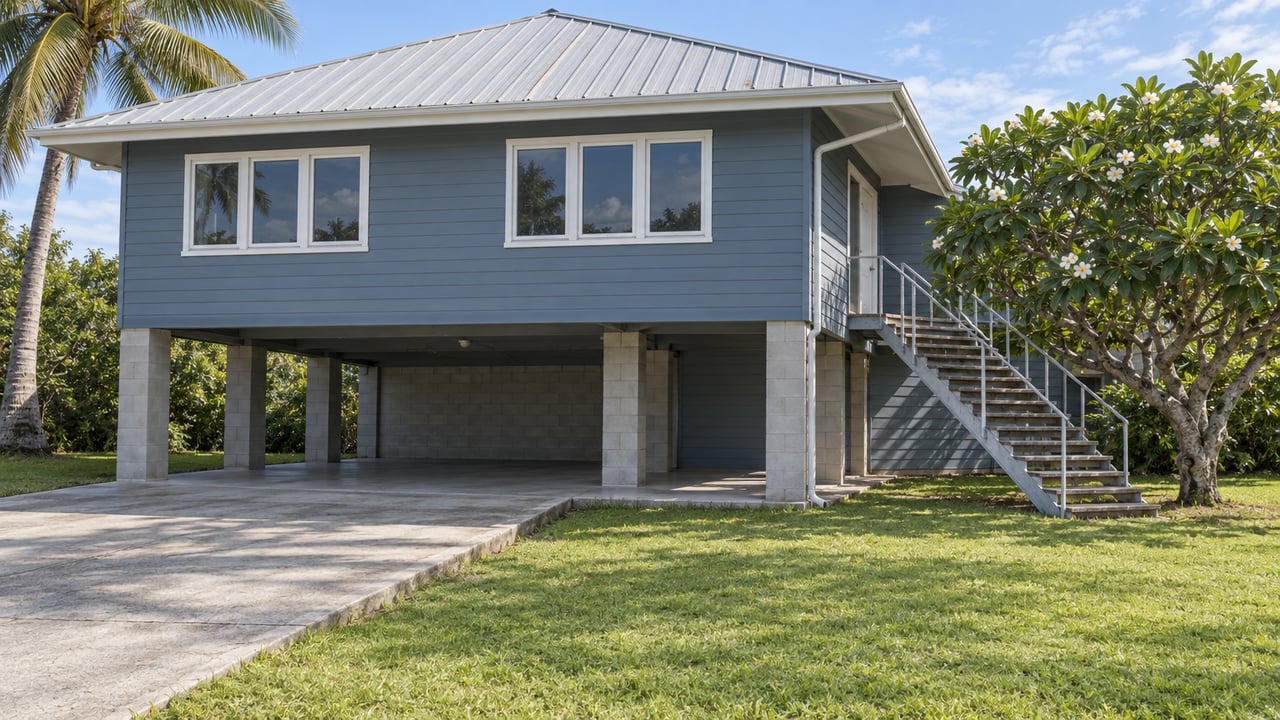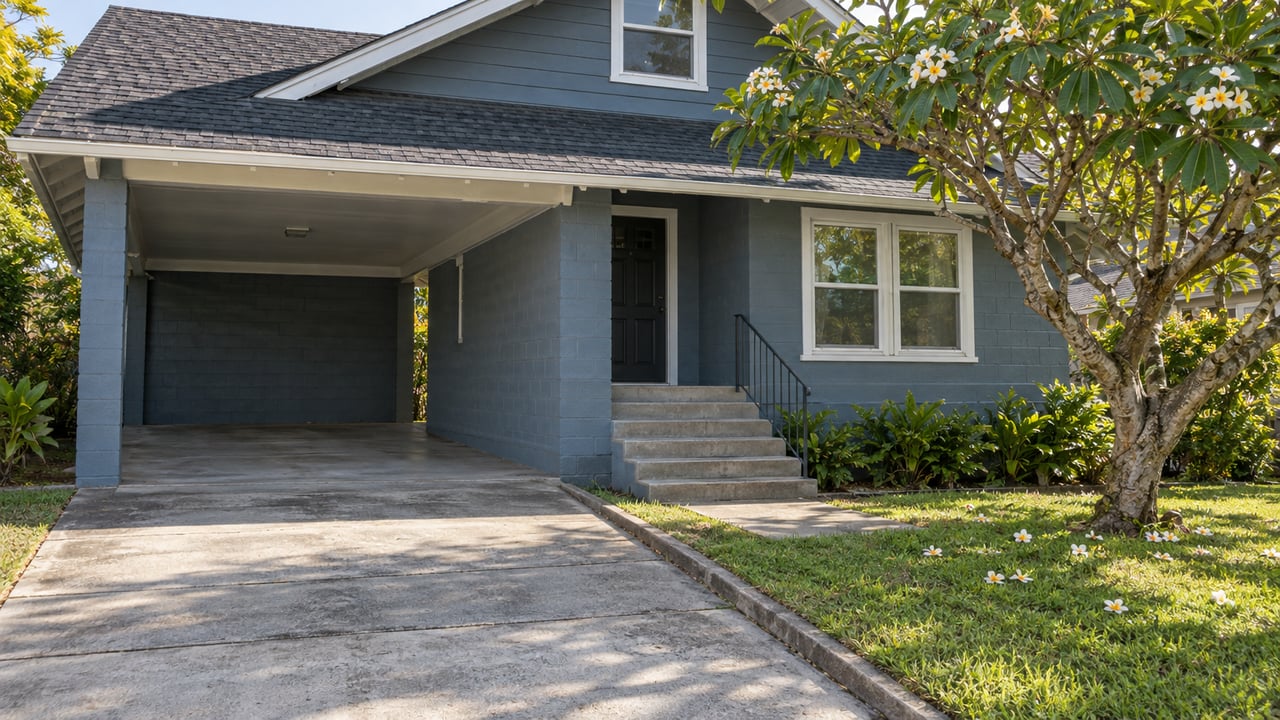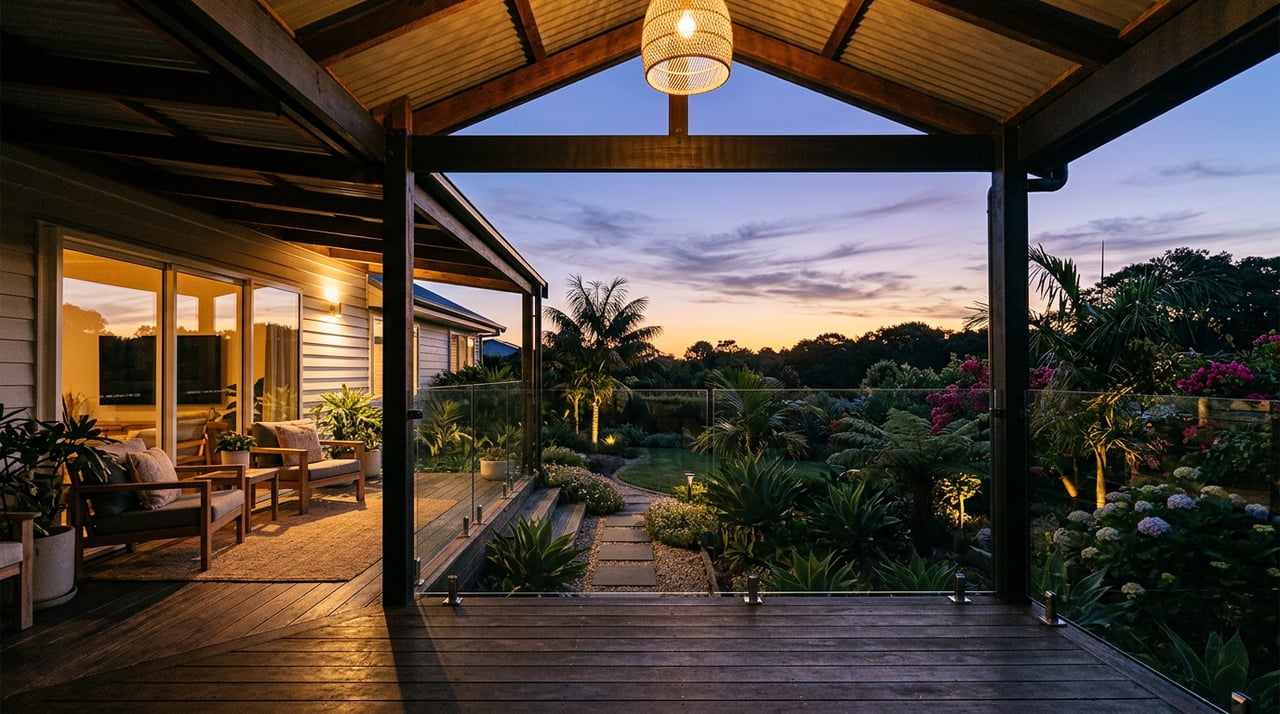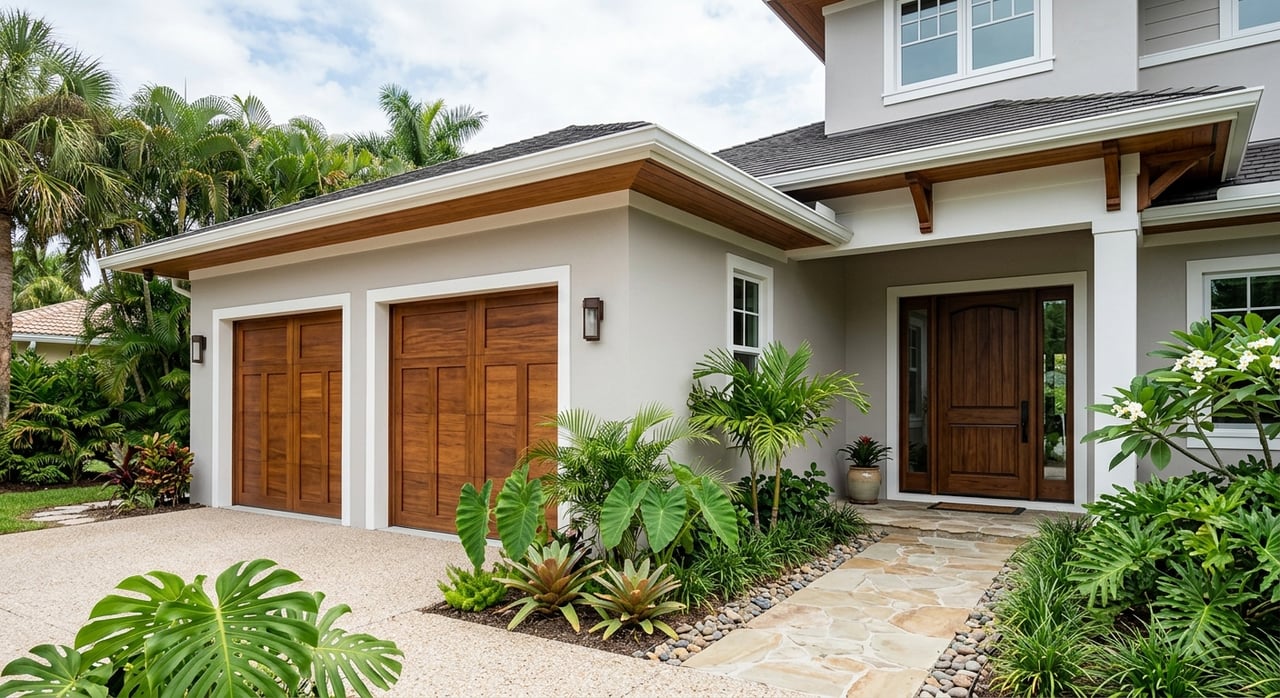
If you price too high or skip the right prep, your Kapolei home can sit longer than you hoped. That is frustrating when you are trying to move on a timeline, protect your equity, and make a strong first impression with buyers. The good news is that a smart sale in Kapolei usually comes down to two things you can control: accurate pricing and practical preparation. Let’s dive in.
Why Kapolei pricing is hyper-local
Kapolei is not a one-size-fits-all market. Long-range planning for the area describes it as a balanced urban community with housing, jobs, parks, public facilities, transit, bikeways, and a garden-city concept. That broader setup helps explain why buyers often pay close attention to convenience, everyday functionality, and neighborhood context in West Oahu.
That also means broad citywide averages can only take you so far. Public market portals placed Kapolei in roughly the mid-$700,000s to mid-$800,000s in early 2026, but those figures varied by source and month. In other words, your home is not competing against all of Kapolei equally. It is competing most directly against homes that feel similar to yours in the nearest subdivision or village.
Start with nearby comparable sales
The best place to begin is with recent sold homes that match your property as closely as possible. Focus first on the same subdivision, then widen only if the home type, age, size, and condition are truly similar. In a market like Kapolei, that narrow approach matters because pricing differences between nearby communities can be significant.
Local MLS-based neighborhood snapshots from early 2026 showed a wide spread in median prices. Broader Kapolei was reported around $539,000, while areas such as Aeloa, Iwalani, Malanai, and Kekuilani tracked much higher. That spread is a strong reminder that buyers notice micro-market differences, and your list price should reflect the homes buyers are actually comparing side by side.
Why citywide numbers can mislead
Oahu-wide data gives useful context, but it should not drive your final price on its own. In April 2026, the Honolulu Board of REALTORS reported a median sale price of $1,150,000 for single-family homes and $500,000 for condos across Oahu. Those numbers show overall market strength, but they do not account for the price differences between Kapolei villages, housing styles, or levels of upkeep.
A local pricing strategy is usually more effective than an aspirational one. The same April 2026 report showed single-family homes selling at 98.3% of original list price and condos at 97.3%. Realtor.com also reported that Kapolei homes sold for about asking on average in March 2026, which suggests buyers are responding to realistic pricing, not inflated pricing.
Avoid overpricing at launch
Overpricing can make even a good home feel stale. When buyers see a home linger, they may assume something is wrong, even when the issue is simply the price. In Kapolei, where buyers often compare homes carefully within a specific neighborhood pocket, a high starting price can push your listing out of contention fast.
A better strategy is to launch with a price that reflects current buyer behavior and nearby competition. That does not mean pricing low. It means pricing with enough accuracy that buyers see value right away and take action before your listing loses momentum.
What Kapolei buyers often want
Kapolei’s planning and transportation documents point to a clear lifestyle pattern. West Oahu is growing quickly, and local planning emphasizes housing, public facilities, parks, pedestrian connections, bikeways, and transit access. Buyers drawn to Kapolei are often looking for a home that fits into daily life easily, with a strong focus on convenience and functionality.
That preference also shows up in national buyer trends. In a 2025 survey, 42% of buyers said they wanted to avoid renovations or plumbing and electrical problems, while 25% valued community amenities and 14% cited green or energy-efficiency features. For you as a seller, the takeaway is simple: buyers are often looking for homes that feel move-in ready, practical, and easy to maintain.
Move-in ready beats highly personalized
You do not need to strip every bit of personality from your home. But you do want buyers to picture themselves living there without first making a long repair list. Highly customized finishes, visible wear, or obvious deferred maintenance can distract from the features that make your home appealing.
In Kapolei, a clean and functional presentation often matters more than a dramatic remodel. Buyers in master-planned communities tend to notice how well a home fits the surrounding lifestyle. If the property feels fresh, cared for, and low-maintenance, that can support stronger interest from the start.
The prep work that usually pays off
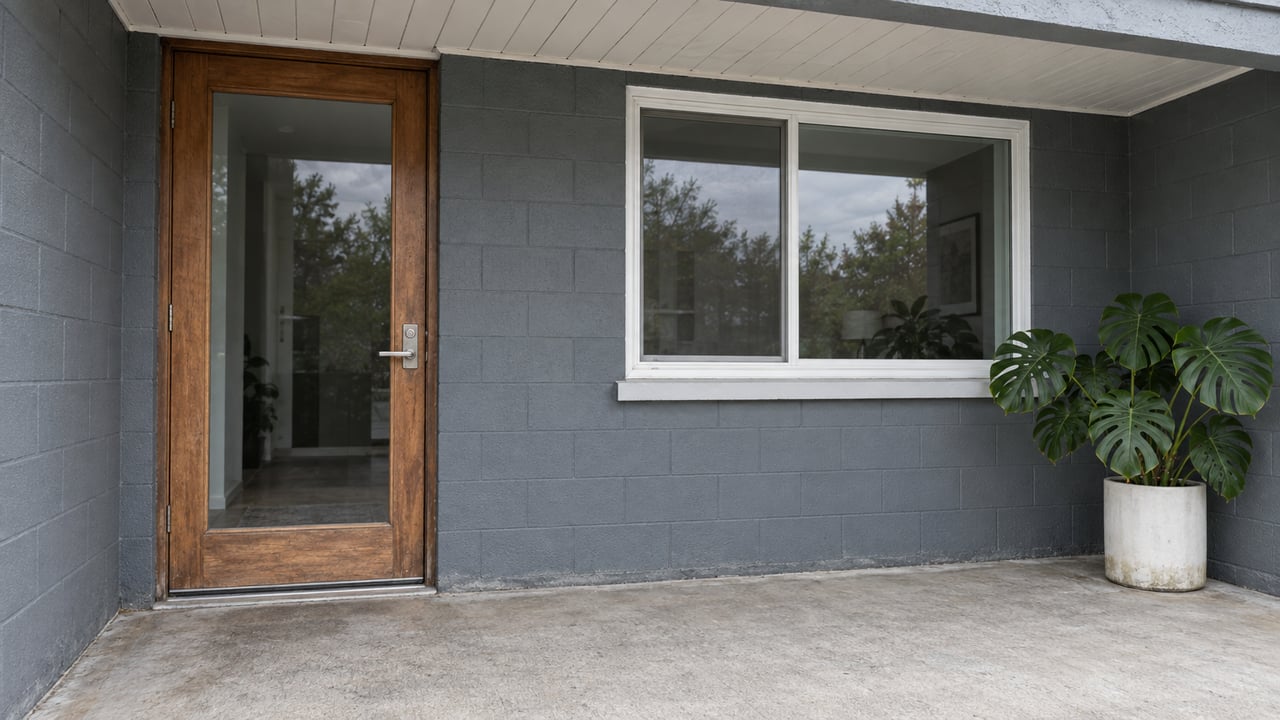
Before you spend heavily, focus on visible improvements that build buyer confidence. National 2025 remodeling data showed strong cost recovery for projects like a new steel front door, a closet renovation, and a new fiberglass front door. Realtors also most often recommended painting the entire home, painting a single interior room, and installing a new roof before listing.
That does not mean you need to do every project. It means your first dollars are often best spent on updates buyers can see and appreciate right away. Fresh paint, a crisp entry, and repaired wear points can make your home feel more cared for without taking on a full remodel.
Fix small issues before buyers notice
Minor defects can create major doubt. A dripping faucet, scuffed wall, sticky door, or creaky floorboard may seem minor to you, but buyers often add those items to a mental repair list. The longer that list gets, the more they may question the overall condition of the home.
Start with the basics:
- Repair obvious wear and tear
- Touch up paint where walls look tired
- Fix leaks, squeaks, and loose hardware
- Replace burned-out bulbs
- Deep clean every room
- Declutter counters, shelves, and storage areas
- Freshen curb appeal with simple, tidy landscaping
Why staging can make a difference
Even a well-maintained home can benefit from thoughtful staging. In 2025, 83% of buyers’ agents said staging made it easier for buyers to visualize a property as their future home. The rooms with the biggest impact were the living room, primary bedroom, and kitchen.
Staging does not have to be elaborate. Sellers’ agents reported that staging often reduced time on market, and some said it increased the dollar value offered by 1% to 10%. With a reported median professional staging spend of $1,500, it can be a practical tool when used strategically.
Focus on the rooms buyers remember
If you are deciding where to spend time and money, start with the spaces buyers talk about most after a showing:
- Living room: Make it open, bright, and easy to understand
- Kitchen: Clear counters and highlight workspace and cleanliness
- Primary bedroom: Create a calm, uncluttered feel
- Entry: Make the first impression clean and welcoming
The goal is not to make your home look fancy. The goal is to help buyers see it as easy to live in.
Timing your sale in Kapolei
Timing can shape both your prep process and your buyer pool. Hawaii’s Department of Education calendar shows the 2025 to 2026 student year ending on May 28, 2026, and the 2026 to 2027 year beginning on August 3, 2026. For many households, late spring and early summer can be a more practical time to prep, photograph, and launch a home.
That timing can help reduce disruption during a move. It may also line up better with relocation schedules and housing changes that happen before a new school year starts. If your likely buyer is balancing a move with a household calendar, timing your listing well can make your home feel like a smoother next step.
A simple Kapolei selling plan
If you want to keep your sale focused and manageable, follow this order:
- Review recent sold and active comps in your subdivision
- Set a realistic launch price based on nearby competition
- Fix visible defects and deferred maintenance
- Clean, declutter, and simplify each room
- Refresh paint or curb appeal where needed
- Stage key living spaces for photos and showings
- Launch when your home is fully ready, not almost ready
Each step supports the next one. Accurate pricing gets buyers in the door, and smart preparation helps them feel confident once they walk through.
The bottom line for Kapolei sellers
Selling in Kapolei is rarely about chasing a broad headline number. It is about understanding your micro-market, pricing in line with nearby competition, and presenting your home in a way that feels clean, functional, and move-in ready. In a community where buyers often value convenience, upkeep, and everyday livability, those details matter.
If you are preparing to sell, a local strategy can help you avoid guesswork and focus your budget where it counts. For tailored guidance on pricing, prep, and marketing your Kapolei home, connect with Ashliey Wasson.
FAQs
How should you price a home in Kapolei?
- Start with recent sold homes and current competition in your same subdivision or village, then adjust for differences in size, age, and condition.
Why does subdivision-level pricing matter in Kapolei?
- Kapolei neighborhoods can show large price differences, so broad city averages may not reflect what buyers will pay for your specific home.
What repairs should you make before selling a Kapolei home?
- Focus first on visible, confidence-building fixes like paint touch-ups, small repairs, leak fixes, deep cleaning, and curb appeal improvements.
Is staging worth it for a Kapolei home sale?
- It can be, especially in the living room, kitchen, and primary bedroom, because staging helps buyers picture the home as their own and may reduce time on market.
When is a good time to list a home in Kapolei?
- Late spring and early summer can be practical because they often line up better with relocation timing and the period before the next school year begins.