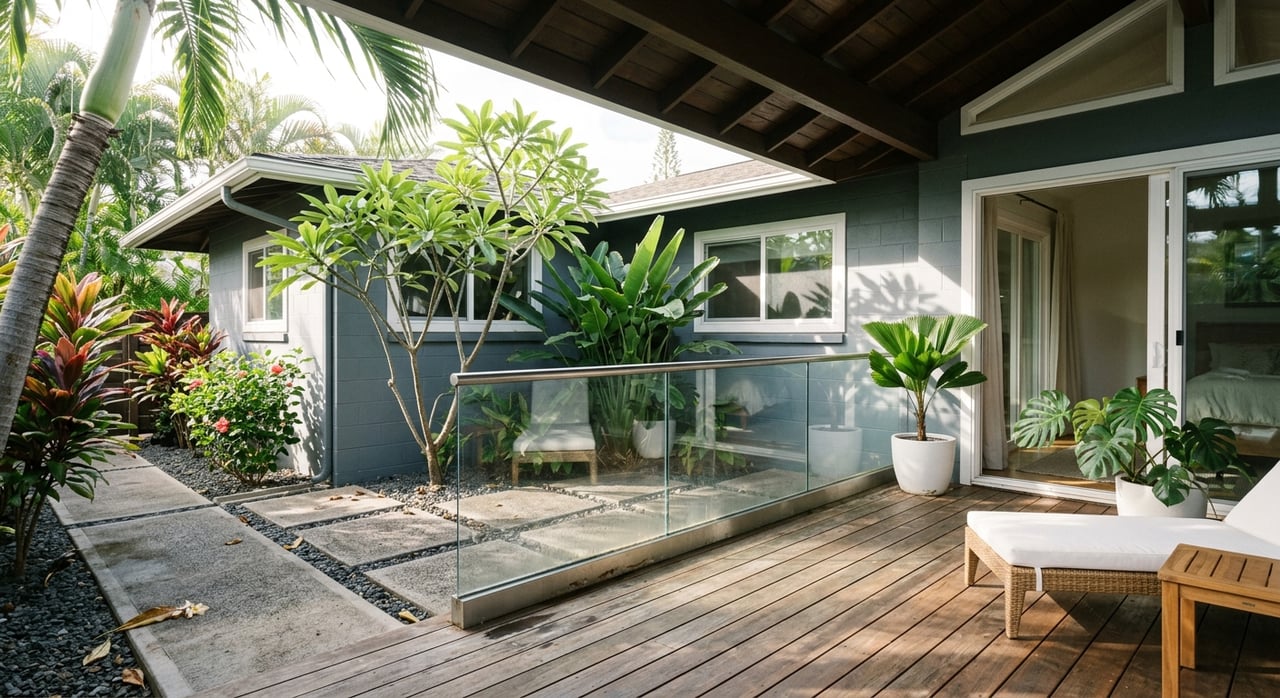
Thinking about trading a faster-paced Honolulu routine for more space, greener views, and life near the bay? Kaneohe often lands on relocation short lists for exactly those reasons, but it helps to know what daily life really looks like before you make a move. From housing costs and commute routes to outdoor access and the feel of the community, here’s what you should know if Kaneohe is on your radar. Let’s dive in.
Why Kaneohe Stands Out
Kaneohe sits on Oahu’s windward side and has a distinct setting shaped by Kaneohe Bay, lush valleys, perennial streams, fishponds, and the Ko'olau Mountains. County planning materials describe it as low-rise, low-density, and largely single-family in character, with a semi-rural sense of place.
That gives Kaneohe a different feel than more urban parts of Oahu. If you are looking for a location that feels connected to nature and water without being cut off from the rest of the island, Kaneohe tends to offer that balance.
Kaneohe Housing: What You Can Expect
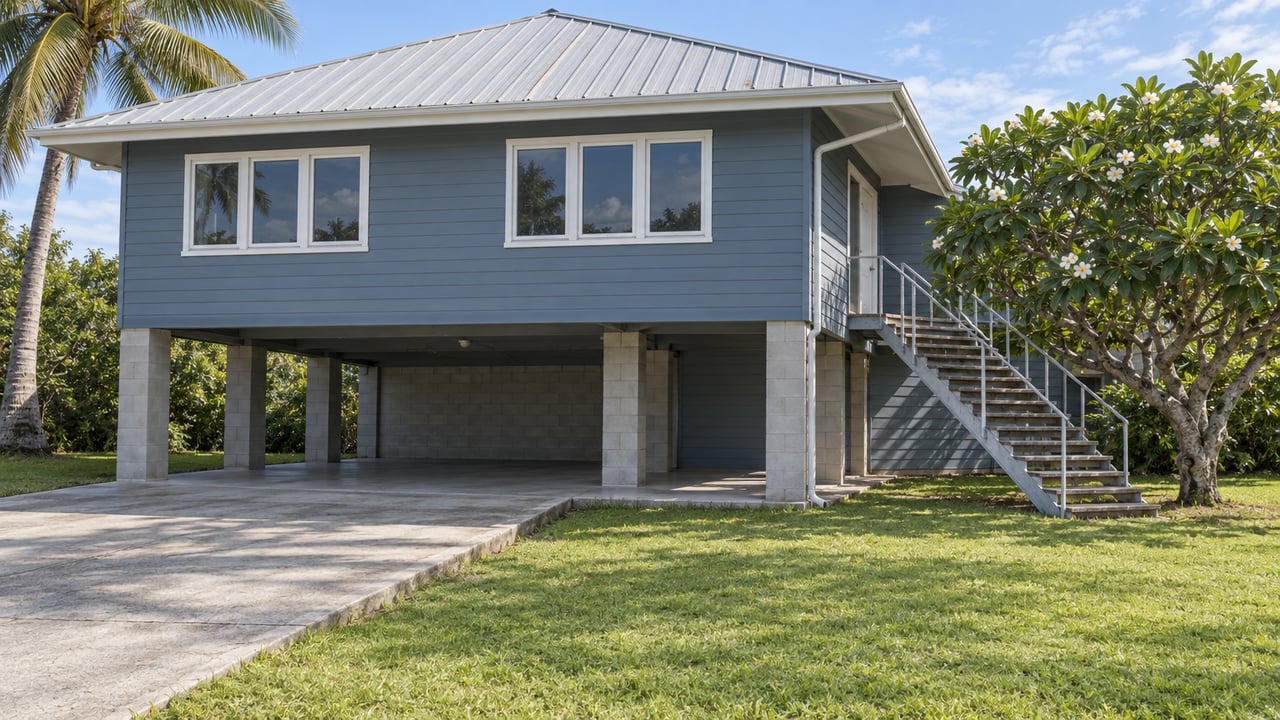
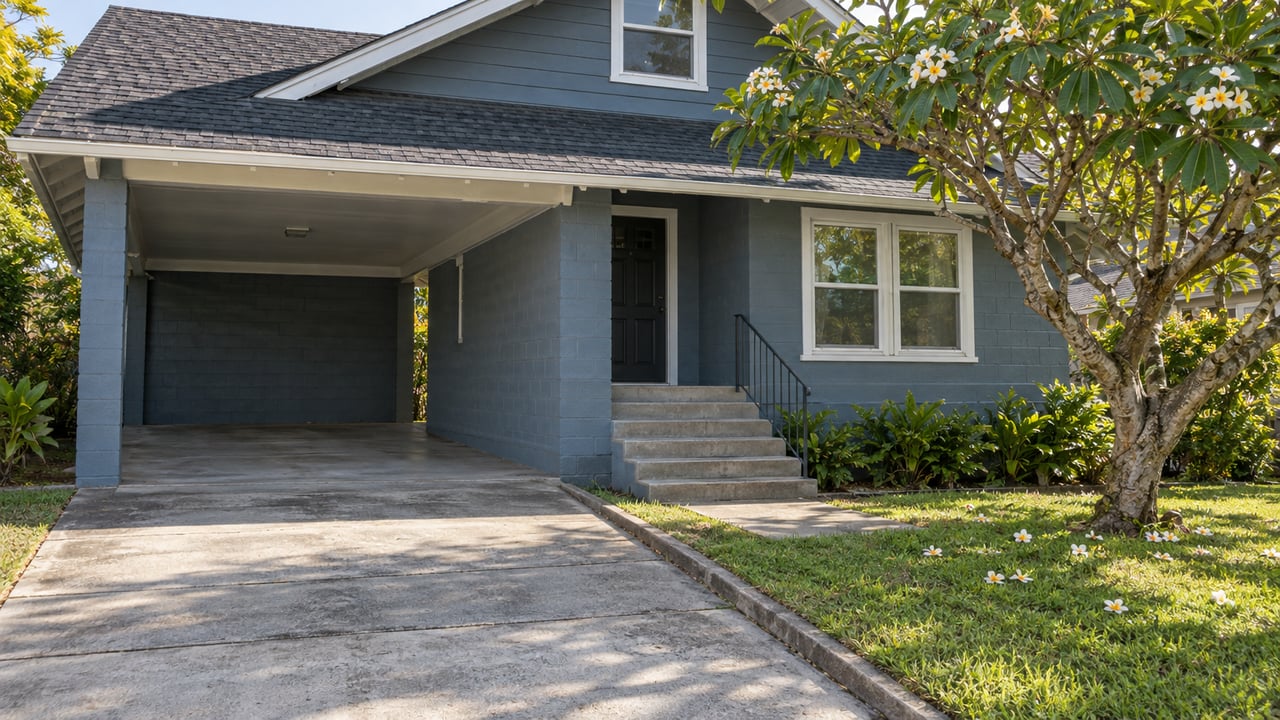
Relocating buyers often want a simple answer about housing, but Kaneohe is not a one-style market. The local housing mix includes single-family rentals, plantation-style cottages, low-rise apartment communities, newer townhome developments, and attached options like condos and townhomes.
In practical terms, your search may come down to a tradeoff. You might compare a detached home with more interior space and yard area against a condo or townhome that can offer a lower-maintenance lifestyle and an easier relocation setup.
Kaneohe Housing Costs
Kaneohe is not a low-cost market, and the numbers make that clear. According to the latest Census profile, the median owner-occupied home value is $1,029,700, the median monthly owner costs with a mortgage are $3,398, and the median gross rent is $2,269.
Those figures are useful as planning benchmarks if you are moving to the area. They do not tell you what every home will cost, but they do give you a realistic starting point for budgeting.
Ownership Is Common Here
Kaneohe has an owner-occupied housing rate of 76.4 percent, based on the latest Census data. That suggests a community where homeownership plays a major role in the overall housing picture.
For you as a relocating buyer, that can matter because it often points to a market where many residents are putting down roots. It also reinforces why inventory, property condition, and neighborhood fit should all be part of your search strategy.
Kaneohe Commute: Corridor-Dependent by Design
One of the biggest relocation questions is simple: how hard is the commute? Kaneohe is connected to other parts of Oahu, but the daily experience depends heavily on the route you use.
City transit planning materials point to three major connections. Pali Highway links Kailua to Honolulu’s central business district, Likelike Highway connects Kaneohe to Kalihi, and H-3 connects Joint Base Pearl Harbor-Hickam with Marine Corps Base Hawaii.
That means Kaneohe is accessible, but it is not a place where every destination feels equally convenient. Your real commute will depend on where you work, which corridor you take, and when you are on the road.
Average Travel Time
The Census reports a mean travel time to work of 27.6 minutes in Kaneohe. That is a helpful baseline if you are trying to compare areas across Oahu.
Still, it is best to treat that number as an average, not a guarantee. Commute times can vary based on route, traffic conditions, weather, and time of day.
Public Transit in Kaneohe
Transit access in Kaneohe is bus-based. TheBus Route 56 runs from Kaneohe by way of Kailua to Ala Moana Center, and Route PH4 is a Kaneohe-Kahaluu-Pearl Harbor Express serving Pearl Harbor and the windward side.
If you plan to use transit, that is good news in the sense that options do exist. But if you want the feel of a rail-served or highly urban transit network, Kaneohe is not built around that kind of system.
Who the Commute Works Best For
Kaneohe is often a strong fit if you are comfortable with a car-centered or mixed-mode commute. It can be especially practical for people commuting to Marine Corps Base Hawaii, Pearl Harbor, or other windward and central Oahu destinations.
If your top priority is the shortest possible trip into downtown Honolulu, or you want a denser urban environment with more transit convenience, Kaneohe may feel less aligned with your day-to-day goals.
Bay Lifestyle: What Living Here Feels Like
For many buyers, Kaneohe Bay is the reason Kaneohe feels special. The Hawaii Department of Land and Natural Resources describes Kaneohe Bay as Hawaii’s largest sheltered body of water and one of only two bays in the state with barrier reefs.
It is a major scenic and recreational area used by boaters, fishers, kayakers, and snorkelers. DLNR also highlights places like Ahu o Laka sandbar, Mokoli'i, Coconut Island and the Hawaii Institute of Marine Biology, and the Mokapu Peninsula.
Outdoor Access Is Part of Daily Life
Kaneohe’s appeal is closely tied to water, open space, and a greener landscape. County planning documents note two island-based parks in Kaneohe: a beach park and a botanical garden.
Ho'omaluhia Botanical Garden is identified in the town plan as a 211-acre park on Luluku Road in Windward Kaneohe. The town plan also describes the beach park as a small grassy shoreline park on Kaneohe Bay.
That combination helps explain why Kaneohe often feels more outdoor-oriented than nightlife-oriented. If you value shoreline access, mountain backdrops, and room to breathe, that lifestyle can be a major draw.
Stewardship Shapes the Area
Heeia was designated the 29th National Estuarine Research Reserve in 2017. The reserve covers 1,385 acres and includes upland forests, grasslands, wetlands, fishponds, reefs, seagrass beds, and part of Kaneohe Bay.
For someone relocating here, that is more than a fact on paper. It reflects how conservation, coastal systems, and the surrounding landscape are visible parts of life in the broader Kaneohe area.
Kaneohe and Military Relocation
Kaneohe is especially relevant for military moves because Marine Corps Base Hawaii is part of the Kaneohe Bay area. That can shape both housing choices and commute decisions in a very practical way.
According to MCBH Living, families on Oahu may rent or lease in the local community, lease with the MCBH PPV partner Ohana/Hunt, pursue homeownership, or lease with Navy, Air Force, or Army privatized housing partners. The Housing Services Office also provides off-base help, including landlord appointment assistance, mediation, and lease review.
If you are relocating on military orders, that means Kaneohe is often not a simple on-base versus off-base decision. You may end up comparing several housing paths at once, depending on timing, family needs, and budget.
Is Kaneohe the Right Fit for You?
Kaneohe tends to make the most sense if you want a home base that feels residential, low-rise, and connected to the outdoors. It can be a strong match for buyers who want more space, a bay-centered setting, and access to windward living while staying linked to other parts of Oahu.
It may be especially appealing if you are relocating for military service, want a more homeowner-oriented community, or prefer a setting shaped by nature rather than a dense urban core. On the other hand, if you want a condo-heavy city lifestyle or the easiest downtown commute possible, you may want to compare Kaneohe with more urban neighborhoods before deciding.
A smart relocation plan usually starts with clarity on three things: your budget, your commute pattern, and the kind of daily lifestyle you want. In Kaneohe, those three factors are closely connected.
If you want help comparing Kaneohe with other Oahu neighborhoods or narrowing down the right housing option for your move, Ashliey Wasson can help you build a practical, local strategy.
FAQs
What is the housing market like in Kaneohe for relocating buyers?
- Kaneohe includes a mix of single-family homes, plantation-style cottages, low-rise apartment communities, condos, and newer townhomes, so you can compare space, maintenance, and budget based on your relocation needs.
What does it cost to live in Kaneohe?
- The latest Census profile reports a median owner-occupied home value of $1,029,700, median monthly owner costs with a mortgage of $3,398, and median gross rent of $2,269.
What is the average commute from Kaneohe?
- The Census reports a mean travel time to work of 27.6 minutes, but your actual commute will depend on destination, route, traffic, weather, and time of day.
How do you get from Kaneohe to Honolulu or Pearl Harbor?
- Key road connections include Pali Highway, Likelike Highway, and H-3, while bus service includes Route 56 to Ala Moana Center and Route PH4 to Pearl Harbor.
Is Kaneohe a good fit for military relocation on Oahu?
- Kaneohe is often a strong option for military households because Marine Corps Base Hawaii is in the Kaneohe Bay area and there are both on-base-related and off-base housing paths to compare.
What is the lifestyle like in Kaneohe?
- Kaneohe is known for a bay-centered, outdoor-oriented lifestyle shaped by Kaneohe Bay, green space, shoreline access, and nearby natural areas rather than a dense urban environment.