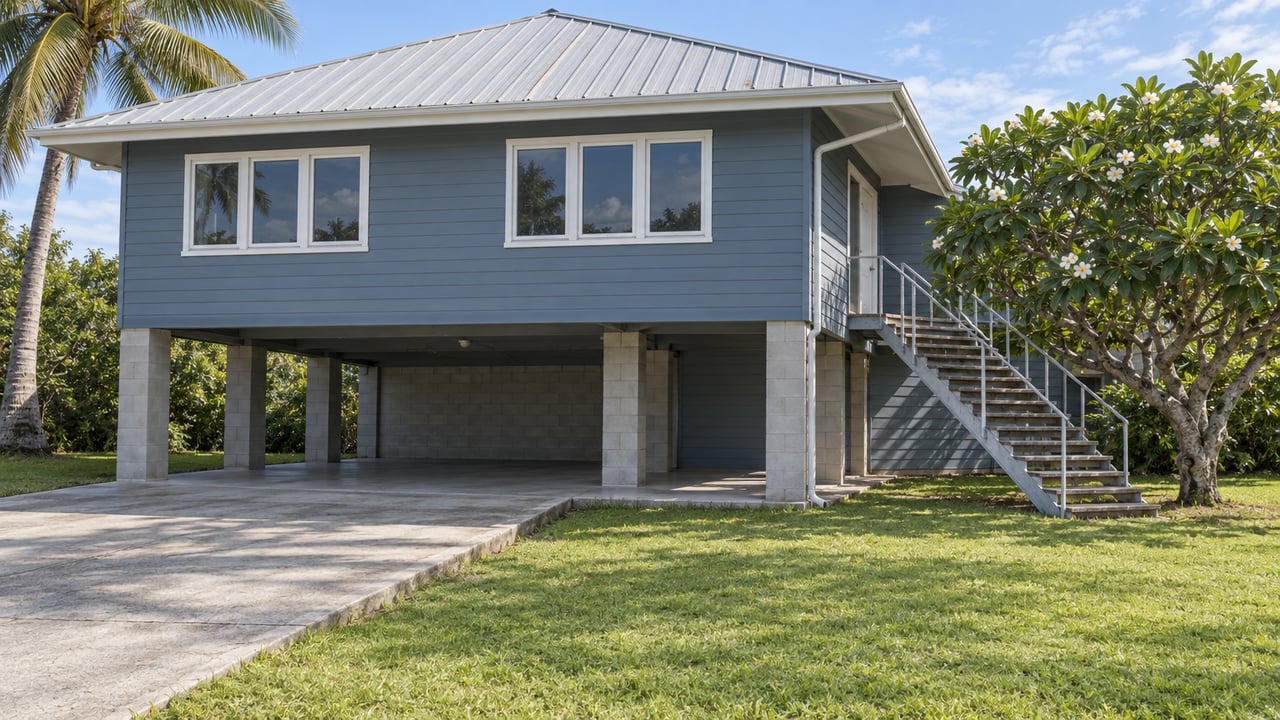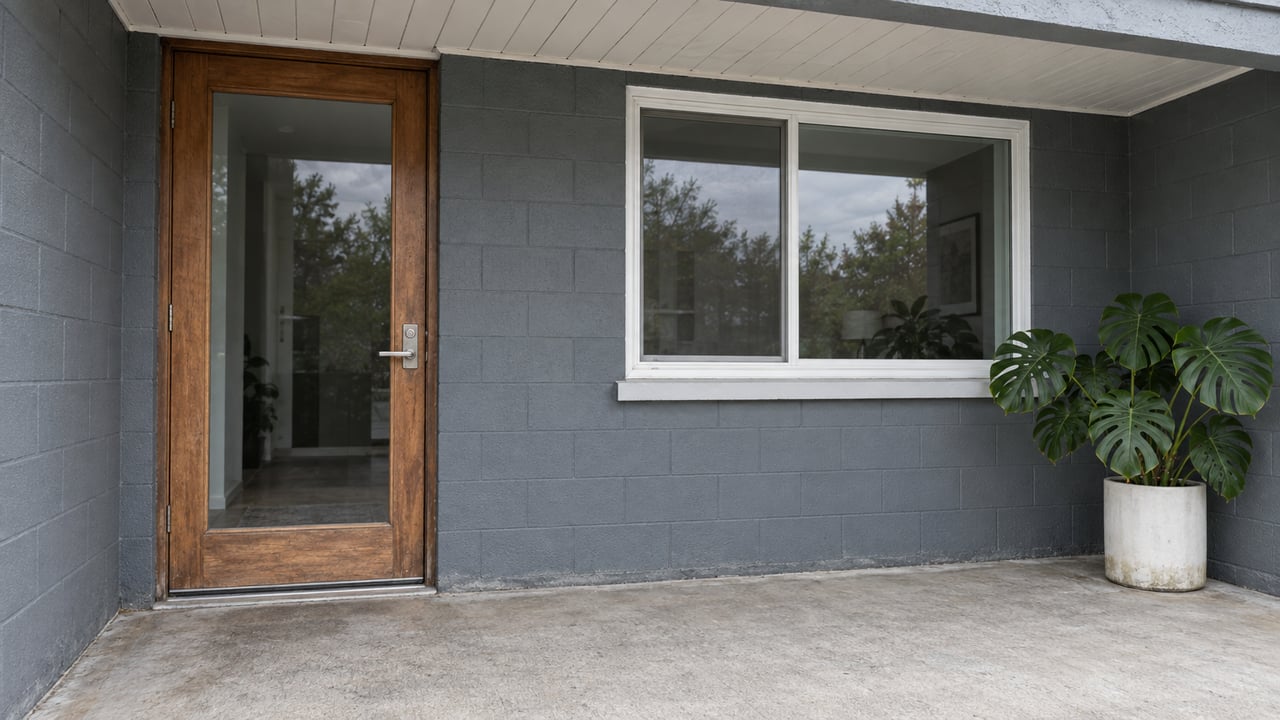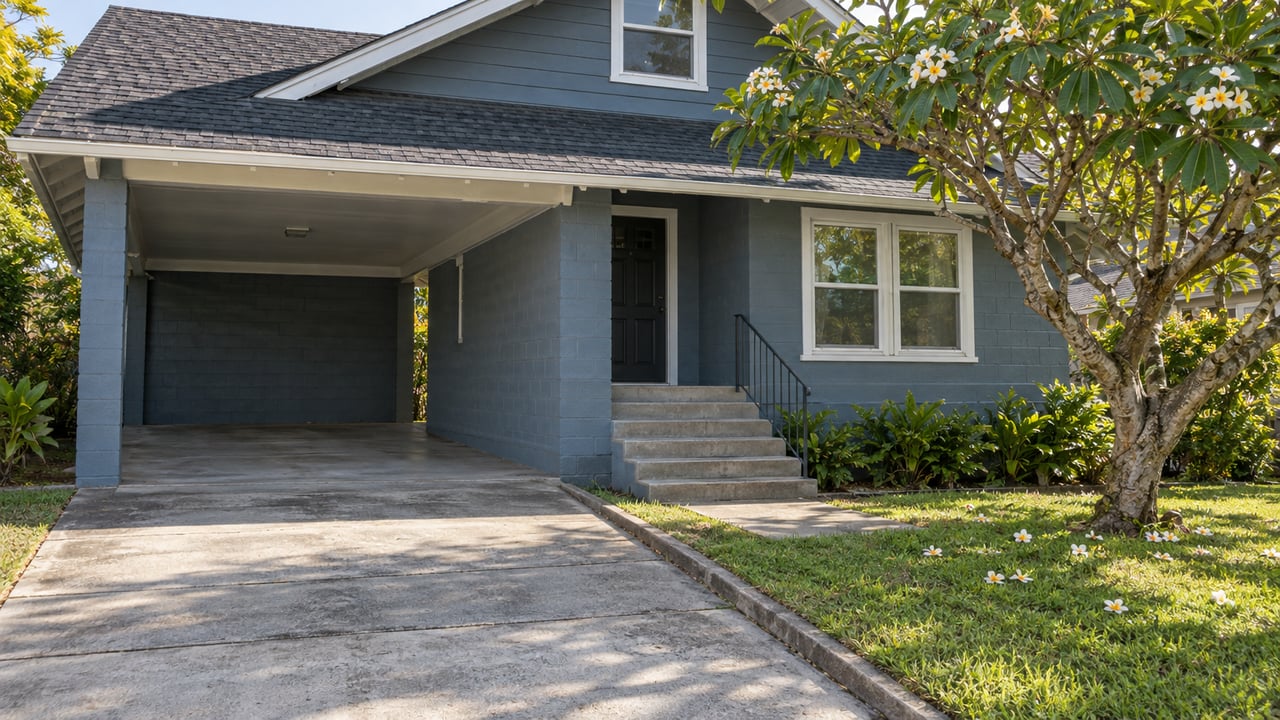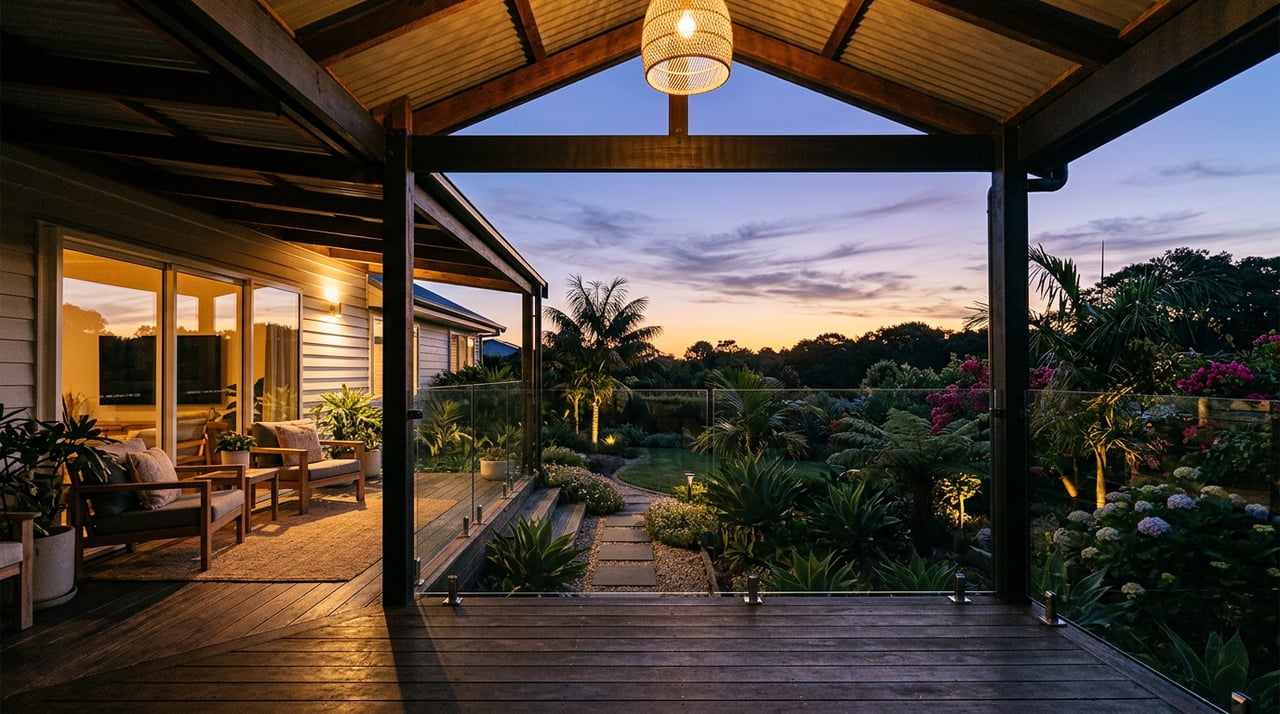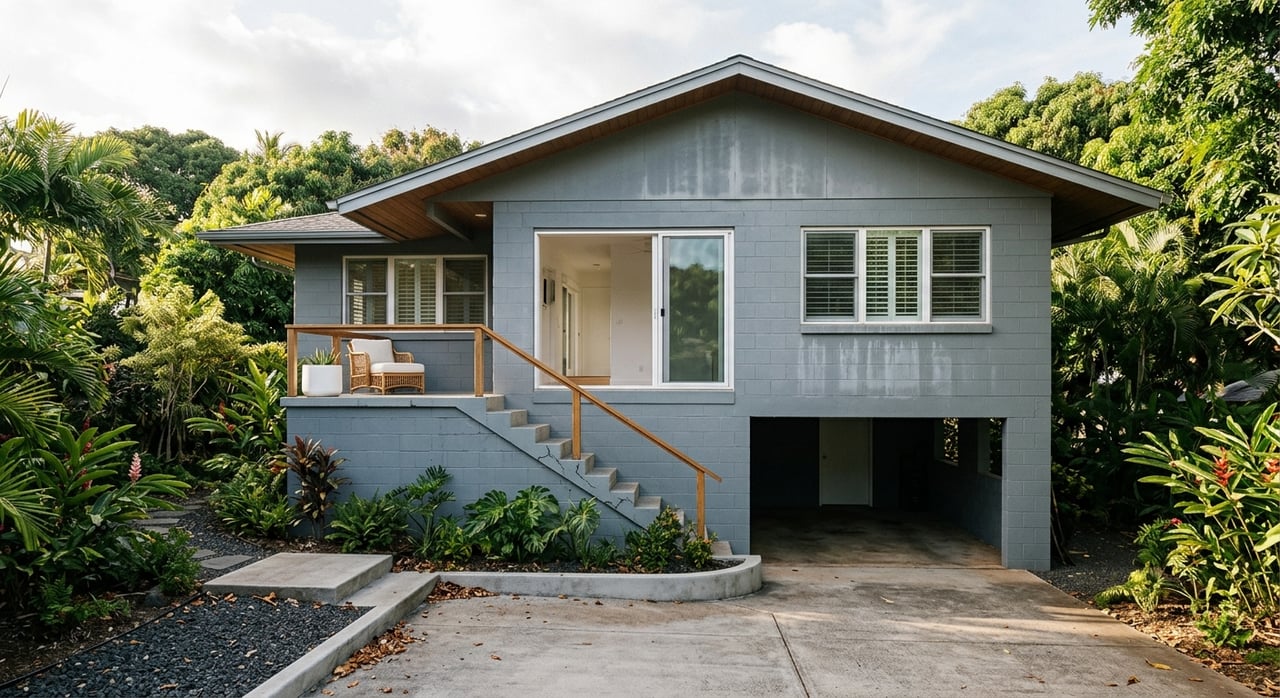
If Kailua feels simple on a map, it rarely feels simple once you start house hunting. One street can put you near the beach, while the next shifts you toward hillside lots, canal-front homes, or in-town cottages with a very different price point and pace of life. If you want to understand where you may fit best in Kailua, this guide will walk you through the main neighborhood pockets, what makes each one distinct, and how current market patterns can shape your search. Let’s dive in.
How Kailua Is Best Understood
Kailua is a census-designated place in Honolulu County with 40,514 residents and 14,754 housing units, and about 72.3% of housing units were owner-occupied in the 2020 to 2024 Census estimates. That owner-occupied share helps explain why many parts of Kailua feel established and residential rather than purely visitor-oriented.
For buyers and sellers, it helps to think of Kailua as a set of micro-neighborhoods instead of one uniform town. Public transit planning and market platforms commonly break the area into Kailua Town, Aikahi, Lanikai, Enchanted Lake and Keolu Hills, Coconut Grove, and beachside areas.
The market also shows why those distinctions matter. In March 2026, Kailua’s median sale price was about $1.5 million, with homes selling after roughly 97 days and closing at about 97.3% of list price. That puts Kailua above the broader Oʻahu single-family median of $1,199,500 in the same period.
Beachside Kailua Neighborhoods
If your first priority is getting close to the sand, shoreline access, or a coastal setting, beach-adjacent Kailua will likely be where your search starts. These areas tend to have scarcer inventory, a higher concentration of detached homes, and stronger premium pricing.
Lanikai and Kaʻōhao
Lanikai is one of Kailua’s most recognized coastal pockets, and it stands apart for both lifestyle and access. Honolulu’s transportation planning notes that the area was developed in the 1920s, has only one public roadway in and out, and that Lanikai Beach has no public parking lots, restrooms, showers, or lifeguards.
That access pattern matters in daily life. It can shape traffic flow, visitor activity, and how a property feels during different times of day or year. For some buyers, that limited-access setting is part of the appeal. For others, it is something to weigh carefully.
Pricing reflects Lanikai’s top-tier position in the Kailua market. Recent Redfin data showed a $5.5 million sale price in the area, with current listings ranging from about $2.6 million to $31 million.
In practical terms, Lanikai is often where you see Kailua’s highest-end coastal inventory. Homes here are commonly part of a limited and highly watched segment of the market.
Kailua Beachside and Kaimalino
Kailua Beachside is another premium coastal area, though the pricing picture can look broader depending on how platforms define the neighborhood. Redfin’s Beachside market page showed a median sale price of $1.575 million, while separate platform labeling for Kailua Beachside showed about $5.0 million, with recent sales ranging from a $675,000 condo to a $10.5 million oceanfront home.
The main takeaway is that labels in this part of Kailua are often directional rather than exact. If you are searching here, it helps to focus less on the platform map name and more on the property’s actual location, beach proximity, lot size, and home type.
Current listing examples also help explain the feel of this area. Kailua Beachside listings often highlight being a short distance from Kailua Beach and Kailua Town, while Kaimalino listings tend to emphasize privacy, pools, kayaking access, turtle watching, and guest cottages.
Typical Beachside Home Types
Beach-adjacent Kailua is mostly made up of detached homes. Based on the current listing mix, you are more likely to see older cottages, remodeled plantation-era homes, rebuilt custom residences, and only a limited number of condo or townhome options closer to inland edges.
That housing mix matters when you build your budget. In these pockets, you are often paying not just for square footage, but for location scarcity and the overall coastal setting.
Enchanted Lake and Canal-Front Areas
For buyers who want a residential feel with a distinct geographic identity, Enchanted Lake often stands out. This part of Kailua has a different story from the beach blocks, and that history still shapes the area today.
Why Enchanted Lake Feels Different
Kaʻelepulu, also known as Enchanted Lake, grew out of an older water system. State and federal historical sources note that it is an estuary-pond remnant, that surrounding marsh areas were filled to create Enchanted Lake Estates, and that flood-control work in the Kailua area began with the Oneawa Canal in 1952 and the Kawai Nui flood-control project in 1966.
That background helps explain why canal-front and pond-adjacent homes form a distinct submarket. You will often find water-oriented streets, single-level homes, and some condo or townhome options closer to Kailua Town.
Enchanted Lake Market Snapshot
Recent examples in the area include a 3-bedroom, 2-bath single-level home on a 7,525 square foot lot listed at $1.495 million, along with renovated homes in the high-$1 million range. Over the last three months, Enchanted Lake posted a median sale price of $2.1675 million, with homes averaging 72 days on market and selling at about 98% of list price.
Recent closed sales ranged from about $1.225 million to $2.385 million. That spread shows there is room for variation based on condition, location, and water adjacency.
What Buyers Should Keep in Mind
Enchanted Lake is often quieter and more residential in feel than the most beach-focused pockets. At the same time, its low-lying, water-connected setting means flood and drainage awareness should be part of your evaluation.
Kailua overall has a moderate flood risk in Redfin and First Street data. If you are considering this area, it is smart to look closely at location-specific property details and how the home sits on its lot.
Inland and Hillside Kailua Neighborhoods
Not every Kailua buyer wants to prioritize beach blocks first. Inland and hillside pockets can offer different value, different home types, and in some cases a more practical match for commute patterns or budget goals.
Aikahi
Aikahi sits on the west side of Kailua and often appeals to buyers looking for a middle-ground option. City transit planning links Kailua Town to Aikahi, and current listings frequently mention proximity to Kailua Beach, Safeway, Marine Corps Base Hawaiʻi, and H-3 access.
That mix makes Aikahi worth a close look if you want a Kailua address with relatively practical connectivity. For military and relocation buyers in particular, this area can stand out because of its access points and established residential character.
Price signals vary depending on lot size, upgrades, and exact location. Current Redfin estimates and comparable sets place many Aikahi homes in the mid-$1 million to low-$2 million range, with larger remodeled properties pushing higher.
Keolu Hills
Keolu Hills is often one of Kailua’s more accessible single-family entry points. Recent comparable sets and estimates show homes clustering around roughly $1.2 million to $1.7 million, with renovated or larger properties moving into the low-$2 million range.
Transit planning groups Keolu Hills with Enchanted Lake, which reinforces its role as one of the inland, commute-friendly parts of Kailua. If you are less focused on walking to the beach and more focused on finding a single-family home within Kailua, this neighborhood may deserve a spot on your list.
Coconut Grove and Kailua Town Edge
Coconut Grove is one of the more in-town-feeling pockets of Kailua. Listing descriptions often point to older plantation-style homes, smaller cottages, CPR homes, and quieter streets that still sit close to Kailua Town and Kailua Beach.
Recent examples cluster around roughly $1.2 million to $1.7 million, with larger or updated homes reaching higher. For buyers who want a central location and a more varied housing mix, Coconut Grove can offer a useful alternative to the highest-priced coastal pockets.
Comparing Kailua Neighborhood Fit
As you compare neighborhoods, it helps to think in terms of tradeoffs rather than a single “best” area. In Kailua, your budget, preferred home type, and daily routine can shape the right fit as much as beach distance does.
| Neighborhood pocket | General feel | Typical market pattern |
|---|---|---|
| Lanikai | Beach-first, limited access, top-end coastal | Premium custom and luxury pricing |
| Kailua Beachside and Kaimalino | Coastal, near beach access, scarce inventory | Broad pricing, from select condos to high-end oceanfront homes |
| Enchanted Lake | Residential, water-connected, quieter streets | Mid- to upper-range single-family homes with location-based variation |
| Aikahi | Practical west-side location, connected access | Mid-$1M to low-$2M+ homes |
| Keolu Hills | Inland, more accessible single-family option | Roughly $1.2M to $1.7M, with updated homes higher |
| Coconut Grove | In-town, cottage and plantation-style mix | Roughly $1.2M to $1.7M, with variation by size and condition |
What This Means for Your Home Search
A useful way to view Kailua is as a price ladder with distinct lifestyle steps. At the more accessible end, you may find town-adjacent condos and smaller inland homes. In the middle, Coconut Grove, Keolu Hills, and parts of Enchanted Lake often provide a broader range of family-home options. At the top, Kailua Beachside, Kaimalino, and Lanikai tend to represent the premium beach-access and beachfront tiers.
It also helps to be realistic about mobility. Kailua remains car-dependent overall, with a Walk Score of 40, Transit Score of 35, and Bike Score of 44. So even in a place known for its relaxed coastal feel, your day-to-day routine may still depend heavily on where you live within town.
If you are trying to narrow your search, start with three questions:
- Do you want beach proximity first, or more price flexibility?
- Are you looking for a detached home, or would a condo or townhome also work?
- Does your routine call for easier access to Kailua Town, H-3, or Marine Corps Base Hawaiʻi?
Those answers can quickly narrow which Kailua pocket deserves the most attention.
Whether you are buying your first home in Kailua, relocating across Oʻahu, or preparing to sell in one of these micro-markets, neighborhood detail matters here. For tailored guidance on Kailua’s beachside, canal-front, and hillside areas, connect with Ashliey Wasson to start your Oahu home search or request a free home valuation.
FAQs
What are the main neighborhoods in Kailua for homebuyers to compare?
- Buyers often compare Kailua Town, Aikahi, Lanikai, Enchanted Lake and Keolu Hills, Coconut Grove, and the broader beachside pockets.
Which Kailua neighborhoods are closest to the beach?
- Lanikai, Kailua Beachside, and Kaimalino are the main beach-adjacent areas, and they generally carry more premium pricing and scarcer inventory.
Which Kailua neighborhoods may offer more accessible price points?
- Keolu Hills, Coconut Grove, and some town-adjacent options often represent more accessible entry points than the top coastal pockets, though pricing still varies by size, condition, and location.
What should buyers know about Enchanted Lake in Kailua?
- Enchanted Lake is a distinct water-connected residential area with canal-front and inland homes, and buyers should pay attention to flood and drainage considerations because of the area’s low-lying setting.
Is Kailua walkable for daily errands and commuting?
- Kailua is still considered car-dependent overall, with a Walk Score of 40, Transit Score of 35, and Bike Score of 44.
How do Kailua neighborhood prices generally compare?
- A useful rule of thumb is that town-adjacent condos and smaller inland homes tend to sit at the lower end of Kailua’s price ladder, while beach-access and beachfront homes in areas like Kailua Beachside, Kaimalino, and Lanikai usually occupy the premium end.